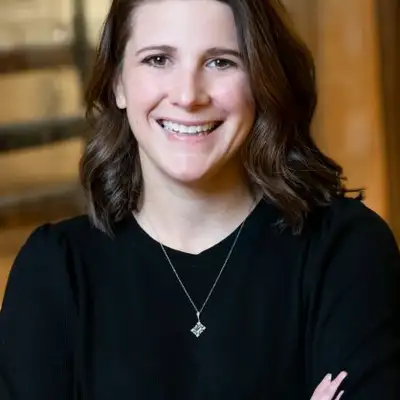
How John and Amy Sarver Built a Life Around Decoys, Art, and Community (Ep 742)
Can we do a mic check, please? Everybody, welcome back to the Ducks Unlimited podcast. I'm your host, doctor Mike Brasher. I'm your host, Katie Burke. I'm your host, doctor Jared Henson. And I'm your host, Matt Harrison.
VO:Welcome to the Ducks Unlimited podcast, the only podcast about all things waterfowl. From hunting insights to science based discussions about ducks, geese, and issues affecting waterfowl and wetlands conservation in North America. The DU podcast, sponsored by Purina Pro Plan, the official performance dog food of Ducks Unlimited. Purina Pro Plan, always advancing. Also proudly sponsored by Bird Dog Whiskey and Cocktails.
VO:Whether you're winding down with your best friend or celebrating with your favorite crew, Bird Dog brings award winning flavor to every moment. Enjoy responsibly.
Katie Burke:Hey, everybody. Welcome to the Ducks Unlimited podcast. I'm your host, Katie Burke. And today on this show, I have guests John and Amy Sarver. They are decoy collectors and carvers and many things. Welcome to the show, John and Amy.
Jon Sarver:Nice to be here.
Amy Sarver:Good to be here.
Katie Burke:You're both from Illinois, correct?
Amy Sarver:Yes. Yes.
Katie Burke:So how let's go back to, like, the very beginning, and I know it'll be different for both of but how did you get introduced into hunting and decoys? Like, what was that like for y'all both?
Jon Sarver:I literally grew up on the banks of the Illinois River in a little town called Chillicothe. So everybody in Chillicothe duck hunted. So you just you're old enough to shoot a gun, you're out in the blind, and, you know, just fell in love with it. And then when it came to decoys, there were a lot of collectors in my area. Our local banker had a great collection, so every time you went to the bank, you looked at all the decoys you had.
Jon Sarver:And then Dick LeMaster, who taught a lot of people to carve, was from Chillicothe, so when we'd visit the Dairy Queen, I'd sneak around the corner and watch his classes, and it always intrigued me to, you know, I just wanted to carve a decoy someday, but it took Pat Gregory to convince me that we wanted to do it.
Katie Burke:Okay. Yeah. It's so different.
Amy Sarver:So I grew up in a farming community, so I wasn't really exposed to hunting too much before I met John, but my mom collected Canfield decoys. So she grew up on the banks of the Mississippi River on Cool 19, and, she had family members and friends that hunted a little bit. So we had always had, like, little duck decoys, which I thought were super cool growing up. And she's an artist, and we we did a lot of stuff that way. But until I met John, I really didn't know have any idea about hunting.
Amy Sarver:So, John
Katie Burke:Did you Amy, did you paint and stuff at a young age too? Like, were you always kind of artsy?
Amy Sarver:Yes. We I I think I learned how to paint before I learned how to write, and my mom exposed me to quite a few different mediums. And then I also went, like, my first degree in college was in art, so, learned oil painting and and all of that when I was young adult.
Katie Burke:Yeah. Did you like doing a degree in art, or did you what was? It's always mixed reviews in this. Right.
Amy Sarver:I was just gonna say, like, it helps me now. Like, long term, it really helped me. It was it was fun doing it. But, yeah, after you get your degree, it's like, okay. Now how am I gonna make some money so I can afford my art supplies?
Katie Burke:So Yeah. I I always I did I started to, and I'm sure everybody that listens this knows this about me, but I had a really hard time being told what to do Yeah. Yeah. In art school. So I did not make it, and I switched to art history.
Katie Burke:So I always want asked that because I I find a lot of times that's not uncommon.
Amy Sarver:Yeah. Not really uncommon. I was I was blessed with some really cool teachers. Yeah. Some of them tried to push the buck and push you into, like, doing stuff that's weird.
Katie Burke:But Yeah.
Amy Sarver:I just wanted to make pretty pictures. Like Yeah. Let me enjoy the process and make something I like. And, yeah, they they were like, you probably won't be like a professional artist.
Katie Burke:A lot of I it's very common amongst, like, wildlife artists with school Yeah. Because I it doesn't seem to be it depends on, like, where they go, but it doesn't seem to be as amongst art schools as respected as a thing. Like yeah. I don't think that's not saying it's not respected. It's just amongst certain types and art schools are that way.
Amy Sarver:Yeah. If they want you to have, like, some sort of, like, political messaging or, like,
Jon Sarver:you know
Katie Burke:They want more to do it than a pretty picture.
Amy Sarver:Yeah. I'm like, I just wanna make pretty pictures. Yeah. Which I it was a small, like, you'd, like, state university. Actually, Jeff Srigny's sister, Julie Srigny Mahoney, was one of my teachers, and her husband was my teacher in oil painting.
Katie Burke:So Small world. Yeah. Small world. Yeah. Small world.
Katie Burke:So, John, did you start carving young, or did you start collecting first? What did you what came first?
Jon Sarver:No. I started collecting I I think I got my first duck when I was around 16, and it was reheaded Pratt.
Katie Burke:Okay.
Jon Sarver:And I bought it at a garage sale, and, you know, I thought it was the coolest thing on earth, and, you know, I paid, like, $2 for it. But Did you keep it? I don't have it any longer. I think it was actually knocked off a shelf and the head came off, and it probably got turned into an owl or something. But, you know, I I just like I said, there was a lot of collectors in my town, and I just always went and looked at their decoys, and, you know, you you collected what you could afford back then, and so there was a lot of, you know, mediocre decoys, you know, some animal traps and stuff like that, and then, you know, I really started collecting probably about 1992 when I got out of the army.
Jon Sarver:So
Katie Burke:my question with that is, because this is it's especially where you are, especially in that location, were collectors very welcoming to you to come in, and there were are there some that stood out and, like, how that helped, like, shape what you liked?
Jon Sarver:Well, you know, yeah, I I can't go without mentioning Joe Tinelli. You know? Joe and Donna, you know, invited me to the house, and when I saw their collection, I was just blown away. You know? Growing up in Illinois, of course you started out collecting Illinois decoys.
Jon Sarver:Mhmm. And as I, you know, aged a little bit with the decoy community, I started looking at East Coast decoys and, you know, shorebirds and things like that, and I always laugh, you know, twenty years ago I was always questioning why people were buying shorebirds at Pheasant Run, and and now here I have a lot of shorebirds, you know, so
Katie Burke:They're pretty.
Jon Sarver:Yes, they are. But, you know, found some great decoys here. I still love Illinois decoys, but my taste has really grown to, you know, all regions, I should say. So yeah.
Katie Burke:With that oh, let me think about what my question is. So you're getting to go to see these collections, and you're looking at things. So what is the question I'm asking? So I kind of wanna know what how you started your education with, like, the history side of collecting. Like, what was what interest you specifically about certain types of decoys and then kind of what was that kinda journey like through learning about everything?
Jon Sarver:Well, I I think, you know, like, most people from Illinois, they get the Decoy and Decoy Carvers of Illinois book. Yep. Okay. And, you know, you start going through that and, you know, two years, you know, every page, you know, every decoy that's there and you just start sifting through that. And, you know, later on I found out, you know, there was some information in there that wasn't quite correct, but, you know, catalogs, auctions, you know, I absorbed as much as I could, and I remember sitting out at South Dakota with Joe one night, and he's like, how have you picked this up so well?
Jon Sarver:And I go, because I read everything I possibly can about decoy. And, you know, he was amazed that the, you know, the what I've grasped in a short period of time, so, you know, so it started out that way.
Katie Burke:Always, you know, that's always a common thing that people say for new collectors is, like, just read everything you can get your hands on.
Jon Sarver:Yeah. I mean, Decoy Magazine, I mean, I you know, Decoy Magazine was great because it had a lot of great articles and and, you know, a lot of information that I didn't know, and, you know, we picked that up and, you know, you just it seems like you're always, you know, retaining something, you know.
Katie Burke:Well, we talked about Joe, but like, and Donna in that time too, like, she has so much information as well. Oh, yeah. I'm sure she was extremely helpful.
Jon Sarver:Yes, it is. Yeah. So, you know, we went to him, we actually went to Don and Elmira Clark several years ago, you know, he was the original guy that started the Henry Decoy show, you know, he was friends with Charlie Perdue and and had a great collection of Charlie's stuff, but we went to him, we said, hey, we really wanna start a decoys show, we wanna start it, you know, in Chillicothe, we'd like to have it in the fall because there's nothing really going on decoy wise around here. So that's what we did. It later turned out to be Dave's show, and then, of course, we took over Henry Decoy Show a few years ago, and and just with kids and baseball and running, it just wasn't feasible at the time to run the show in the fall.
Katie Burke:So I was I'm a come back to the show. So when did you start going to shows during all like, when you were collecting? Like, when does shows come into play, like, them? And which was your first?
Jon Sarver:The Henry Decoy Show was my first, and then we tried to make it to Pheasant Run every year. Mhmm. If it wasn't for multiple days, we'd at least go up for a day. And then, you know, in the past four or five years, we started going to East End, last year was our first show in Ohio, and we absolutely loved it. You know, next year's goal is to hit Minnesota, but Minnesota's show and ours run-in conjunction this year, so that would have been tough, but, you know, we we've just we've tried to explore as many shows as we possibly can.
Katie Burke:So what made y'all want to start running the Henry Decoy show?
Jon Sarver:It's just been
Katie Burke:Wasn't Dave going, I don't wanna do it anymore?
Jon Sarver:No. Well, Dave came to me and said, hey. I'm just gonna let you know that the Henry Show is gonna be available, and what do you think about taking it over? And we discussed it and, you know, in February it's dead here, it's cold, it's snowing, there's nothing else to do, and the Henry Decoy show was always kind of that, you know, light at the end of the tunnel.
Katie Burke:Right.
Jon Sarver:You know, so we decided to take it over, we knew that we were growing, so we actually moved the Henry Decoy Show to Chillicothe, the 3 Sisters Park, it's a bigger venue, it's got great lighting, you know, and there was so much history there, we hated to do it, but we knew in order to grow and to keep people happy, we needed to do that and get it out of the high school, so that's What what we
Katie Burke:is it, because I don't know this, and we've never talked about the Henry Decoy Show on here. And first, let's say, when is it so if people are listening, they know exactly when it is because it's coming up.
Jon Sarver:It's it's traditionally always been the second Sunday in February, which this year falls on February 8.
Katie Burke:Okay. And then what is the history behind that show? Like, and how what has it grown to be?
Jon Sarver:So we're fifty eight years and running. K. It started out in a church in Henry, and then I think it went to the VFW or one of those venues, and then ended up in the Henry High School. Right now we've grown the show to about 75 tables, Okay. Which 50 plus vendors Yeah, that's great.
Jon Sarver:From all over. You know, the guys will break down at the Minnesota show, and they'll head this way.
Katie Burke:Okay.
Jon Sarver:Like I said, it's been running for fifty eight years, A lot of young kids come, which is great to see. You know, it just it breaks the winter blues for a lot of people. So
Katie Burke:Yeah. Yeah. I've heard that about The Henry Show that demographically, it's changed. Like, it's gotten to be a lot younger, like, lot more younger people are coming to that show than a lot of the other decoy shows.
Jon Sarver:Yeah. And we we've, you know, we've really tried to cater to these kids, guess, and get them at the door because, I mean, you see it at the all the decoy shows you attend, the crowd is getting older and older, you know, so, you know, a lot of kids come in now, and I shouldn't say kids, young adults, calls, you know, their first decoys, you know, so
Katie Burke:That's really good, yeah. And we'll talk about Chicago show towards the end of this. I think the big growth has to be on the on these smaller shows because they're more accessible. Like, you're getting people where they are. Like, you know, like, you're in that area, have hunters everywhere.
Katie Burke:You have a big outdoor community, so they're not having to travel super long distances to go to something.
Jon Sarver:Right.
Katie Burke:Which a lot of people that are younger can't do that.
Jon Sarver:Right. Yeah.
Amy Sarver:Tough. We saw a lot of young young parents, especially little kids in strollers and stuff.
Katie Burke:Oh, that's great. Do y'all do anything for them? Like, do y'all do, like, youth stuff for them? I think Minnesota does. Do they do something?
Amy Sarver:We don't do anything, like, in particular. We try to do, like, a door prize that would be something that they'd like. We have food there. Everybody likes food. Yes.
Amy Sarver:I think this year, the local high school has is gonna have their raffle for their trap. Yeah.
Jon Sarver:Our high school, local high school is gonna set up, sell raffle tickets for their trap team, which that's been a huge thing around here because we didn't have trap up until about four or five years ago.
Katie Burke:And Right.
Jon Sarver:You know, for those kids that hunted and really didn't play any other sports, it's great for them. So Yeah. But, you know, that brings up a good point, and I need to do something for the kids, whether it's a raffle for the kids or
Katie Burke:Well, will say, just with DU, some, like, the biggest growth we've had through, like, membership and stuff is through these TRAP programs and FAA and these and our, like, high school DU chapters. Like, that's where the people that participate in those programs stick around Yeah. More so than just, like, kids who attend stuff. So, like, they do. They those like, if you when you engage like, having the TRAP team have a part of it, that's a really good avenue for keeping them around.
Amy Sarver:Well, like, those teams form that, like, community of people that, you know, they all have that shared experience. So I think it's pretty cool to be able to promote that those kind of things.
Jon Sarver:Yeah. I I have a a young friend that I've known, like, literally all my life, and he had never been to a decoy show and came to ours, and he's just like, he can't wait now. Every year he's like, oh, yeah, great. The decoy show, you know, and brings his daughter down who's I think she's five, but, you know, Jake's one of those kids that's grown up in Chillicothe hunting, and
Katie Burke:Yeah.
Jon Sarver:And he's really, like, grown that appreciation for for, you know, collecting, and and, you know, one day he sent me a picture of this call and said, hey, what is this? And it was a Charlie Purdue VLANA call that his his grandfather had owned, so now So, he has you know, that he he's he's getting that collecting down. Yeah. So yeah.
Katie Burke:And it's cool, and y'all are from the right you're in the right area, like
Jon Sarver:Yes. Yes.
Katie Burke:Because it's different down here with that because we don't have old decoys in the Memphis area. Like, that's just not something that's here. There's calls, but we just did I don't know why there were no decoys made over here. But
Jon Sarver:Yeah. It's crazy.
Katie Burke:It's weird. Yeah. I don't know.
Jon Sarver:And, you know, you talk about shows, and I'm almost jealous because of the shows that the East Coast has. Like Yeah. Seems like there's, like, Madame Mesquite was, I think, this past week in The Carolinas, and it's like, I I know
Katie Burke:Core Sound was not that much long that long ago.
Jon Sarver:Yeah. And, you know, I see the turnout like Tommy O'Connor still has and it's huge, you know, and it's like, we average five to 600 people, but, you
Katie Burke:know For a day? That's good. Yeah. For a Sunday, especially a Sunday, like, I mean, Sunday, that's that's good for a Sunday.
Jon Sarver:Well, and we're we're always Super Bowl Sunday, so Yeah. Yeah. We break down at 01:00 and get people home.
Katie Burke:Sunday's always a tough day. Like, you know, we just had DUX, and Friday, of course, was a little slow, but Saturday was huge, but Sunday's always a little bit slower. Yeah. That's just what it is. People go to church and you have things to compete with.
Katie Burke:Yeah. Let's take a quick break and then I wanna get back more into the carving and paint, that side of things.
VO:Stay tuned to the Ducks Unlimited podcast, sponsored by Purina Pro Plan and Bird Dog Whiskey after these messages.
Katie Burke:Welcome back. I'm here with John and Amy Sarver. So now that we've kinda done the Henry Decoy show, I wanna get more into what why did you start, you mentioned Pat Gregory, so why did you start carving and how long ago did you start carving and painting? And have actually, I have one more question on top of that. And why did y'all decide to do it together?
Katie Burke:And was it originally that way, did that change?
Jon Sarver:No, it was originally that way. But, so, it started out with my son, Beau, Amy, and, you know, me and Pat were shogus hunting a lot together, and Pat's like, you know, you gotta come over and carve it out. And I was like, you know what? I'd really love to. So we, you know, we came up with a timeframe, he said, the first piece of wood's on me and then anything after that, that's on you.
Jon Sarver:So we traveled over to Pat's, you know, we all kinda came up with we wanted to carve a bluebill, so we all carved a blue bill, and they're still in our shop. We look at them all the time and go, man, that was bad. You know? We we always have this saying we say to each other, round, round, you know? It's gotta be round.
Jon Sarver:And
Katie Burke:Well, Grayson Chester says you need to keep that. He always says you gotta keep that decoy so you can always look back at how bad you were.
Jon Sarver:Oh, yeah. Yeah.
Amy Sarver:And and encourage that too.
Jon Sarver:And so it sits out in the shop, and I have several that we did, you know, our first kind of go around, and it's like, how are we so bad at that?
Katie Burke:You know?
Jon Sarver:It's like, I'm not even sure that thing would float. And, you know, then you post pictures of them, and it's like, how did I ever post a picture of that?
Amy Sarver:Yeah. Facebook memories come up. I'm like, oh, boy, no.
Katie Burke:It's haunting you.
Jon Sarver:Yeah. So Pat got us started and Amy said, well, who's gonna paint the ducks? I said, well, obviously you, you're the one that's a painter, and so she was fortunate enough to sit down with Mike Lashbrook a couple times and paint with him, but it just all came kinda naturally to her, and and it's funny. Sometimes she's out there and she's got she goes, you know, we're huge fans of Camerons, and she's like, I gotta get my innermost Cameron on, and so don't bother me. Get out of here.
Amy Sarver:He's always trying to interrupt me, like, I'm doing these fine lines, and he's like, hey, come here and see this. I'm like, I can't right now. Yeah. I'm in my zone.
Jon Sarver:Yeah. So, you know, I've never been one to like back down from a challenge, so if I see something I wanna do, I'm like, I'll try it and Yeah. You know, I'll see how it goes and and, you know, I just had a couple people say that, I can't believe you're trying to do that already. You just started carving, like, you know, a year ago, and it's like, well, you know, if I fail, I just throw it in the fire pit and do it all over again. Right.
Jon Sarver:So
Amy Sarver:yeah. You just keep on thinking, like, then we'll just make the next one better. Like, get a little bit better next time.
Katie Burke:Well, you gotta put in your hours, right, before I say today. Yes.
Amy Sarver:Exactly. So I think we've been carving for seven years now Yeah. Altogether. So
Katie Burke:yeah. Speaking of you've mentioned Cameron and Grayson Chesser. So Grayson has some of Cameron's very first decoys.
Amy Sarver:Oh, yeah.
Katie Burke:It makes Cameron really mad. But Grayson won't get rid of them because he says he has to remember them.
Jon Sarver:Yeah. Well Yeah. I I love the story of those two, you know, and and I probably told you this before, but me and Cameron actually met kinda formally on the prairies of Saskatchewan. Oh, I know. Yeah, know it's so we actually hunted the same field together, and, you know, we were both chasing snow geese at the time, we both had a great hunt, so and, you know, we just talked to Chicago all the time, and and so but I don't know, he's he's kind of been an inspiration.
Jon Sarver:I I we just love his work and
Katie Burke:Yeah. He's a talented person, that's for sure.
Jon Sarver:Yes.
Katie Burke:Well, one thing that's neat did you I don't know if y'all thought about this. It's probably more of an afterthought, but, like, having you carving Amy paint, you know, it's very obviously tip it's the Illinois River thing to do. It's like I don't know if people know this, but a lot of the famous carvers were their decoys were painted by their wives. Right. And they're one of the few women historically in decoy carving.
Katie Burke:I mean, there's not I know two. It's you, Amy, and and Jerry Tilton's niece. They're the only two girls I know that carve and paint.
Amy Sarver:So I think it was it was an afterthought. Like, of course, I would pay
Katie Burke:and Mhmm.
Amy Sarver:And stuff, but then after we got going, Pat's like Pat Gregory is like, you know, you're kinda like Charlie and Edna. I'm like, oh, yeah.
Jon Sarver:Yeah.
Amy Sarver:We kinda are. We fit that.
Jon Sarver:Yeah. So, you know, he teases us and calls her Edna every once in a while, and and so but, you know, Bert Graves and his sister, Nelly, you know, it's like women traditionally, you know, we're the painters and and, you know
Katie Burke:Only there. Like, yeah, and only there. Yeah. Don't forget the Ellistons, Catherine Elliston, but it's only that part of the world that that happened.
Jon Sarver:Yeah. Yeah. It's very interesting. I don't know if you, you know, Michael Asperc, he would come home from college and Virgil would go, Mike, you better get to the basement. You got 200 decoys down there to paint.
Jon Sarver:That's what he did, you know. So he was great about, you know, teaching Amy techniques, and I think Amy, it was great watching them because they kind of bounced off each other. Mhmm. And, you know, Mike's one of those guys that and Amy, kind of the same way, I'm not sure the duck has this color, but I'm gonna put it on there anyway because I like it. Yeah.
Jon Sarver:You know?
Katie Burke:It's like,
Amy Sarver:why are you getting out purple? Like, well, it just needs some purple.
Katie Burke:I need some purple.
Jon Sarver:Yeah. Yeah. So
Katie Burke:Well, the interesting thing about which makes sense, right, like and Amy, you would this would make I think it would make sense to you too as someone who goes to went to art school. It's like I mean, there are lots of people like Cameron who are both are good at both things, like but sculpture and painting are not the same discipline.
Jon Sarver:Oh, right.
Katie Burke:They're not the same.
Amy Sarver:They are not all. In fact, like, the first our first drive over to Pat Gregory's to learn how to carve, I told John, I'm like, I just don't do round art, just so you know. I I don't know how to make things round. And
Jon Sarver:Well, and then it it you know, Pat's like, Amy is three-dimensional too, so, you know, so you have to but, I mean, I gotta give her credit, and we'd be out hunting and a duck would be in the blind and she'd just be picking it up and going over it and over and over it and, you know, I just would look at things she'd paint and go, oh my god, that thing is like spot on, you know, for somebody that's never held a lot of ducks like you. So
Amy Sarver:Right. And in fact, it was probably after we'd been carving for a year at least before I even went hunting with him, and I didn't shoot. I just kinda looked at the ducks and, like, oh, that's how it is. So Interesting. I still like, even like, I think even when we were just in California, I was asking him questions about, like, what about this on on this duck or how, you know, how is this bill and and stuff.
Amy Sarver:So it's always there's always something to learn.
Katie Burke:Yeah. And it's funny. Like, most hunters probably take that for granted, like, don't think about it that much. I think certain people are more are more inclined to look at things closely.
Amy Sarver:Right.
Katie Burke:And I don't know what that is, but, I mean, obviously, like, artists tend to do that more, whereas a lot of people don't even really look.
Amy Sarver:Yeah. They don't look at it, but it's like, how is this wing attached or, like, what length of the feathers and then the colors and, like
Jon Sarver:You know, and and looking at a green winged teal right in front of you and and and looking at the vermiculation on it, and, you know, that's the great thing about these late season birds is they're about as pluned out as they could be. And, you know, in Illinois, we just don't get them like that. And
Katie Burke:Right. You need to come to Mississippi. They're all
Jon Sarver:We've been there. To go again. We got that we went
Katie Burke:fat mouth. Horse.
Jon Sarver:We had a horrible weather too, and it was like, oh, great. So but
Katie Burke:But, yeah, they get to be yeah. Because, like, why didn't you say that? And then I guess I was probably my twenties before I even realized, like, that people shot ducks that weren't fully plumed. Oh, yeah. Yeah.
Katie Burke:Yeah.
Amy Sarver:Well, I was probably in my thirties before I realized people shot ducks. So
Katie Burke:Well, there's that too. We can't all grow up in Tallahatchie County, Mississippi.
Amy Sarver:Right. No.
Katie Burke:So but, yeah, it was just, like, I didn't even think about it because we had we always have a lot of people from DU hunt with us because we're so close to headquarters. And a lot of times, like, if they have a guest or something and wherever they're going, something happens and they there's no ducks or whatever, they'll, like, call us and see. If we have ducks, if they need to take someone there, we usually volunteer. And we had somebody from Canada with us. I think I was probably, like, early twenties, and he was like, god, these mylards are huge.
Katie Burke:And I was like, they're a different size? I don't understand. And he was like, well, in Canada, when we shoot them in, like, you know, late summer, yeah, they're they're not very big.
Amy Sarver:They're just little, yeah,
Katie Burke:they're You
Jon Sarver:know, going back to the Alaska trip, I when I when they when the guide tell first handed us the harlequin, I was just blown away at the colors on it
Katie Burke:and going, man,
Jon Sarver:this is like, you know, you think a wood duck's pretty, then you grab one of those and the chestnut on it, and The blue And she just went over that duck over and over and over because we carved one to hunt over up it up there, and and she just wanted to see how close she was.
Amy Sarver:And I'm like, we're gonna have to do another. We gotta carve another one. Exactly.
Katie Burke:That was my next question, especially with the Canada hunt. I mean, the Alaska hunt, like, I'm sure well, I mean, not often people are asking for, you know, sea ducks and stuff, but I'm sure it inspired you a lot to wanna do something different.
Jon Sarver:Oh, yeah. Yeah. It did. Let's face it, there's not a commercial Harlequin decoy out there, so Tel and and Jordan had all pretty much Jared. Jared, sorry, had hand carved decoys.
Jon Sarver:Oh, really? Yeah. So I told them that's our goal because we wanna go back, it's so beautiful up there that, you know, we'll we'll you don't need many of them, we'll carve six more and bring them out there and leave them, so they have them.
Katie Burke:Yeah. Yeah. Were they carving them themselves or were they picking them up from other people?
Jon Sarver:Picking them up from other people, so yeah. So
Katie Burke:I didn't even think about that. I mean, yeah, we wouldn't really have any.
Amy Sarver:Yeah, not not really.
Katie Burke:No. So what's on your what's your bucket list of hunting now that you've done that? Because y'all been going all
Amy Sarver:these We we kicked off a couple bucket lists. Oh, yeah. So, yeah, we got we gotta come up with
Jon Sarver:You know, is I mean, we've had hurdle after hurdle after hurdle in California from Yeah. Almost not having a place to stay to being sold fishing license instead of hunting license, and
Katie Burke:Oh gosh.
Jon Sarver:And I really wanna go back. The marshes out there are so pretty and Yeah. Just seeing the ducks, you know, the specks out there, just beautiful, and the teal, and, you know, I was really going out there for a cinnamon and it never really happened, so so that's probably
Katie Burke:Still up there? Yeah. And then
Jon Sarver:I have family that wants me to come to Washington State.
Katie Burke:I was just saying, what about Washington State?
Jon Sarver:Yeah. They just sent me a teaser yesterday with all these ducks on their stringers, and I'm like, oh, great. So but
Katie Burke:Mark Petrie, who wrote the Candle Goose book, he's out there, and and he's trying to get me to go out there. So Yeah.
Jon Sarver:I think that just seeing the pictures from them yesterday, I honestly would like to go hunt a few days with them and then sneak down into California and try that again and then come back home.
Katie Burke:They do a really neat goose hunt out there that's late season. Like, the it's like it's like in February, March. It's I can't remember exact dates, but it's, basically to keep them off these wheat fields. Yeah. It's, like, all the lesser Canada, like, populations and stuff.
Katie Burke:Oh, yeah. It's a really neat hunt. I can't remember what it's called. We did one with DU Nation for to kinda, for the book, basically, because we did a hunt, like, in every location that's featured in the book, and that's it's a neat hunt. I've never that's the only place I know that does it out there is in, like, Washington State.
Jon Sarver:Yeah. Well, they they had evolutions in California, I did not know that. So
Katie Burke:Yeah. All those small, like, cackling geese, most of them are out on the West Coast. I mean, they're they're in the Central Flyway as well, but a lot of them are on the West Coast.
Jon Sarver:Yeah. So, you know, we saw a couple.
Katie Burke:Taverners, those are out there.
Jon Sarver:Yeah. So but it's a different world out there, it really is, compared to what we're years too.
Katie Burke:Yeah. Because when you drive in California in that area, it's like, oh, it's you go from, like, the coast to, like, wine country to the Mississippi Delta to the Rocky Mountains. It's like a very weird you shift landscapes constantly. It's weird. Exactly.
Amy Sarver:It is. It's pretty cool because, yeah, you can literally be, like, on the coast, in the mountains, and then out to the plains in, like, a couple hours. Yeah.
Katie Burke:Yeah. It's not it's so great. And then, yeah, and then even a little bit farther past that, you're in yeah. Like Like Rocky Mountains. Yeah.
Katie Burke:Rocky Mountains. Big mountains. Mountains. Yes. Yeah.
Katie Burke:I wanna talk about your painting, Amy, and not just the decoys, but you've done a bunch of these dead hang paintings and things like that. So when did you kinda start I mean, I know you were always painting, but when did you kinda get the inspiration to start also just doing more of that kind of painting
Amy Sarver:as well? Of, like, the the wildlife
Katie Burke:Yes.
Amy Sarver:Painting and stuff. So every once in a while, like, I think ever since I've been carving and painting, like, there'd be inspiration to do either, like, a landscape or or, you know, paint up a dock real quick so I could see how it looks before I put it on, like, the carving. Not all of them I did to, like, like, have out there, like, some Yeah. Just for my own, like, reference points. Right?
Amy Sarver:So I have Right. Like, several sketchbooks full of ducks and landscape and and stuff. So probably a couple years into carving, John's like, you know, you could probably sell some of those too. So I'm like, oh, yeah. Probably.
Amy Sarver:So I've I've painted up a few and and started bringing one or two to the shows to see Yeah. See if anybody was interested. Well. Yeah. Yeah.
Amy Sarver:So people tend to like them, and I'm like, oh, okay. I'll I'll do some more. And and I really enjoy it. Like, the dead mounts, especially, like, it helps me understand the birds a little bit better and, like, the shapes and the colors and stuff. So it's almost like a study Yeah.
Amy Sarver:For me too, and I feel like that improves my painting on the carving as well. Right. So so, yeah, that's kinda
Katie Burke:That makes sense.
Jon Sarver:And and, you know, if you go back through time, dead dead hanging pictures have been around for a long time.
Katie Burke:Yeah. Forever. And,
Jon Sarver:you know, I got to the point when I'd come home from duck hunting, she would she's like, go hang those pictures up, or go hang those ducks up so I can get some pictures of them, and, you know, I want a mallard drake and a mallard hen and throw a pintail in there, and so Yeah. I
Katie Burke:get scared of but a,
Jon Sarver:you know, quite the spectacle just to get it so she had reference photos so we could do them. So
Amy Sarver:But then we we also collect artwork too. So, like, I love, like, the dark lit dead mount hangings because it just, like, reminds me of, like, Rembrandts and, like, The Netherlands.
Katie Burke:Oh, yeah. They're very, like yeah. I think, like, the Dutch, like, still life painters Yeah. That can think of. They were they were very much known for all that.
Amy Sarver:Yeah. I just like the moodiness of it and stuff. So we collect those ourselves too, and I just
Katie Burke:I've always thought people should do do, like, dead hang scenes, but, like, modernize them, like because all of them are always so old fat, like, are like a like a Dutch painting.
Amy Sarver:Yeah.
Katie Burke:You know, you should they could still keep the feel, but, like like Twist them a little bit.
Amy Sarver:New set. Well, last year, we did I did a commission painting for a kid, JT Johnson, who had won the world's call competition, and he had gotten a call and I think it was a Job's goose as the prize for that. So his dad, like, surprised him with this commission for the painting and sent me pictures of the calls and the goose and his hat and some of his hunting stuff. So I I did kinda like that old dark style painting, but with the the Yeah. JT's own stuff and the price from that.
Amy Sarver:So and and surprised him actually at the Henry Decoy show last year with with the so we had it sitting up not for sale, and JT and and Joe, his dad, came around the corner and, like, JT is like, what? Like, did, like, the second look, and it was like his dad got all teary and stuff because it was just so emotional. Like, it was, like, a huge goal that he'd set to win the worlds, and then this was, like, something that
Jon Sarver:And he he went out in Easton, so we'd see them out in Easton, like, every year. And I I think he actually placed with a duck calling junior this year, so really good kid.
Katie Burke:That takes a lot to do all that stuff. Yeah. I always think about, though, when people do, like, paintings and stuff of workbenches, and I'm like Yeah. I wonder what those workbenches would look like now. Right.
Katie Burke:Like, I mean, I know what they look like, but if someone focused in on it. Yeah. Yeah. Would you put what would you put on that workbench now?
Jon Sarver:Yeah. Well
Katie Burke:I think about that sometimes.
Jon Sarver:You know, I'm always picking people's workbenches apart. Like Yeah. You know, when you when you're Cameron's or you're at at at Grayson's, there's I'm always looking like
Katie Burke:I love them. Yeah.
Jon Sarver:And, you know, he talked about his heads he has up there. It's like, you know, it's probably a perfect head in my world, but with him, there's a, you know, there's a defect in it and and, you know, and and I have several Ward Brothers heads, and, you know, one of them is a goose head and it says it says something by Lem on it, like rejected by Lem. Yeah. And if you look at it, it's crooked, So Yeah. Yeah.
Jon Sarver:But, you know, it's it it's funny what looking at benches and shops and
Amy Sarver:Well, and, like, looking at, like, the, you know, the paintbrushes and the tools and, like
Jon Sarver:Yeah.
Amy Sarver:How they and and, like, one thing that, like, I have my own system of, like, you know, I use the brush. I put it down like this and then looking at somebody else, and, you know, I try to, like, will that method work for me? No. I have to have my method, and everybody's, like, so particular about things, but it's just cool to see, like, all the differences.
Katie Burke:Well, it's a such personality. Yeah. It is. Right? Like, it's a it's very personal.
Katie Burke:Like, I always when I used to paint, my my art teacher used to say, like, you're gonna die of, like, poisoning when they because I all of my paintbrushes were chewed
Amy Sarver:Oh, no.
Katie Burke:On the ends of them because I would sit there when I would, like, think. I would chew on them, and she's like, you're gonna die of, like, some sort of poisoning from, like, your oil paint.
Jon Sarver:Well You
Katie Burke:can stop chewing on these stupid brushes.
Jon Sarver:That's why Edna had to quit because she was painting in lead, and she was chewing on her brush and started to get neurological deficits. So
Katie Burke:Yeah. Yeah. I would have had so luckily, we don't paint with lead anymore.
Amy Sarver:Yeah. Yeah. I was gonna say that they're slightly more safe. Yeah. Still not recommended to chew them.
Katie Burke:No. But I just, like, could and she was always telling me, I was like, I can't help it. I don't know Yeah. What happens and why I have to do it, but whenever I think about things, I always had to chew on it.
Amy Sarver:Chew on something and
Katie Burke:But, yeah, benches are always even, like not even just, like, carving benches, but, like, people's hunting benches are so particular and very personal. Yeah. I love stuff like that. But the North American Decoy Collectors Association, y'all are the featured carvers. What's that like being such a new carver?
Jon Sarver:I can't tell you the honor it is to be chosen. I I probably can't tell you what I text Cameron a few weeks ago, but he said, time to sweat, buddy. I know, that's
Katie Burke:what was thinking, it's like, how you gotta get all your stuff together. Yeah. We gotta get busy here.
Jon Sarver:Yeah. That was his text back to me, time to sweat. And so generally, you're, you know, snow goose season opens up in a few days and I'd be cranking away at that, and I've already said it's not gonna happen this year, you guys do a lot of shop time, and I've set aside some pieces that we didn't really wanna get rid of to take up there, and and so we do have a few pieces ready, but no, it's it's gonna be nonstop till April.
Katie Burke:Yeah. Yeah. Yeah. And y'all have a mix of decoys and paintings, I'm guessing.
Jon Sarver:Yeah. Mix of decoys and paintings. So and and I've got a couple dead mounts that we've already done that
Katie Burke:Okay. Cool.
Jon Sarver:You know? So and some traditional Illinois pieces like the Shane Heider standing pintail, we've done one of those and so
Katie Burke:Is it laminated?
Jon Sarver:No, it's just a single pintail and Yeah. Since we have all the patterns, from Shane Hyder, I still love to break them out and use them. So, yeah, so cool just looking at it and going, nineteen o nine, you know, that's when he made it. So
Katie Burke:Yeah. That's cool. Yeah. Okay. One last question because I saw about this earlier, and I forgot to ask it.
Katie Burke:Alright. Since y'all do it together, do you, like, communicate on what you're gonna do? Like, or do you just carve it and go, I hope you wanna paint this?
Amy Sarver:A little bit of both,
Katie Burke:I think. A of both.
Jon Sarver:Anko will come home from work and go, what'd you do today? I'm like, well, I carved this heron. She's like, well, you're not supposed to be doing that. You're supposed to be doing something else. It's like, well We got this other thing.
Jon Sarver:To carve what I feel. Yeah. And that's why we hate taking orders because I wanna do what I wanna do.
Amy Sarver:And I want to do what I wanna do too.
Katie Burke:And Yeah. Because of it, that becomes a problem.
Jon Sarver:Yeah. So but, yeah, often she she'll have an idea of what she wants to do, and my idea is totally different, and we somehow Is this compromise. That's like my favorite word, compromise. Yeah.
Amy Sarver:Funny that you brought up the herring because, like, I had this pattern for this herring all laid out for, like, probably a year,
Katie Burke:and I'm like, we've gotta do this.
Amy Sarver:And he's like, yeah, yeah, yeah. And finally, was like, like, wait. He does it when
Katie Burke:you don't wanna do it? Yeah. Yeah. Yeah. So, yeah.
Katie Burke:So it's fine. But
Jon Sarver:we'll have that up Chicago. So
Amy Sarver:Okay. Cool.
Jon Sarver:It's it's pretty cool.
Katie Burke:Yeah. That's fun. No. I I wondered that. I was like, I wonder because, like, so many carvers and artists and all that, it's all about, like, field.
Katie Burke:I was like, but if you're two people, there's no way you always have the same feeling.
Amy Sarver:He'll come home and be like, I wanna do this turkey, and then I'm like, okay. And then I'll come home. I'm like, there's this idea that I have, and it's like a flying mallard, and it looks like this. And he's like, what? Yeah.
Amy Sarver:Somehow we get them all put together and get them out.
Katie Burke:Yeah. Have you turkey hunted, Amy?
Amy Sarver:I have never turkey hunted.
Katie Burke:Oh, you gotta turkey hunt.
Jon Sarver:That's
Katie Burke:where it's at. Yeah.
Jon Sarver:She that's a patient's thing, and the reason she likes being in the duck blind is because she can move around and
Katie Burke:We get to talk. We come turkey hunting with me, and you it's like a mission that you're on. You don't sit still. Yeah. So I'll take you on a mission, and we will find a turkey.
Jon Sarver:Yeah. Okay.
Amy Sarver:That sounds like fun.
Katie Burke:It's so fun, and it's so addicting. Like, it's especially because they're so hard. Yeah. So they're they're very addicting, those turkeys. Okay.
Amy Sarver:Well Someday I'll experience it.
Katie Burke:Yeah. Yes. It'll be fun. And then you'll wanna carve one because they're cool.
Amy Sarver:Yeah. Yeah.
Katie Burke:Alright. Well, is there anything that I didn't mention that y'all want
Jon Sarver:me to mention before? No. No.
Katie Burke:Do y'all have social do y'all have social media? Like, do you put your stuff online?
Amy Sarver:Yeah. We have Facebook and Instagram. Both of them are as fat head decoys.
Katie Burke:Fat head decoys. Yeah.
Jon Sarver:And so I'm gonna just tell you a little bit about that.
Katie Burke:I got How
Jon Sarver:we came up with that name. We were driving home from Pat's and we were looking in our heads, we carved, and my son goes, oh, look at these fat head decoys. So we just kinda ran with that.
Katie Burke:That's a good way to do it.
Jon Sarver:Yeah, they've gotten a lot better since then, but it was just like, yeah, they were big fat junky and and yeah. So
Katie Burke:No. I love that. Alright. Well, fat head decoys, so thank y'all for doing this. This
Jon Sarver:was Thanks, Katie.
Amy Sarver:Appreciate it.
Katie Burke:Told you it
Amy Sarver:would be easy.
Katie Burke:Yep. Yeah. Yep. So
Jon Sarver:we'll see you in Chicago.
Katie Burke:Yes. We'll see you in Chicago. Okay. You, John and Amy, for coming on the show. Thanks to our producer, Chris Isaac, and thanks to our listener for supporting wetlands and waterfowl conservation.
VO:Thank you for listening to the DU podcast, sponsored by Purina Pro Plan, the official performance dog food of Ducks Unlimited. Purina Pro Plan, always advancing. Also proudly sponsored by Bird Dog Whiskey and Cocktails. Whether you're winding down with your best friend or celebrating with your favorite crew, Bird Dog brings award winning flavor to every moment. Enjoy responsibly.
VO:Be sure to rate, review, and subscribe to the show and visit ducks.org/dupodcast. Opinions expressed by guests do not necessarily reflect those of Ducks Unlimited. Until next time, stay tuned to the Ducks.
Creators and Guests