Rice & Ducks: Why Farming Practices Matter for Waterfowl (Ep 778)
An unharvested field of rice offers 30,000 duck energy days an acre. Yep.
Ryan Askern:And let's let's contrast that to Harvested. Harvested. Yeah. Let's talk to harvest. Yeah.
Ryan Askern:Hundred hundred to 150?
Jerad Henson:Yep. Something like that. Like, one thirty five, one forties. Yeah. Do we
Ryan Askern:need to explain what duck energy days are?
Jerad Henson:Go for it.
VO:Can we do a mic check, please? Everybody, welcome back to the Ducks Unlimited Podcast. I'm your host, doctor Mike Brasher. I'm your host, Katie Burke. I'm your host, doctor Jerad Henson. And I'm your host, Matt Harrison. Welcome to the Ducks Unlimited Podcast, the only podcast about all things waterfowl. From hunting insights to science based discussions about ducks, geese, and issues affecting waterfowl and wetlands conservation in North America. The DU Podcast, sponsored by Purina Pro Plan, the official performance dog food of Ducks Unlimited. Purina Pro Plan, always advancing. Also proudly sponsored by Bird Dog Whiskey and Cocktails. Whether you're winding down with your best friend or celebrating with your favorite crew, Bird Dog brings award winning flavor to every moment. Enjoy responsibly.
Jerad Henson:Hey, everybody. Welcome to the Ducks Unlimited Podcast. I'm doctor Jerad Henson, and I'm gonna be your host today. We got a great episode. I think this is gonna be a fun one.
Jerad Henson:We've done a little bit of some of this habitat type discussions before with the same group. So today, we're gonna jump into rice and ducks. We did an Acorn and Ducks podcast a while back. It was great. If you haven't heard that one, go back and listen to it.
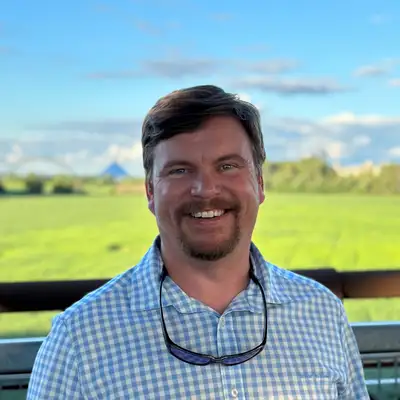
Jerad Henson:But to help us go through this rice aspect of this, we're gonna bring in our special guest today. We've got Patrick Dill. He's a manager of our ag programs in the MAV for DU. So Patrick, thanks for being here.
Patrick Dill:Yep. Thanks for having me, guys.
Jerad Henson:And of course, our, our reoccurring guest over here from Five Oaks, we've got Doctor. Ryan Askren. He's the director of Five Oaks Ag Research and Education Center. So, Ryan, thanks for being
Ryan Askern:here, man. Hey. Happy to be here. Happy to be back.
Jerad Henson:And I think I finally got that name right for the first time ever. Yeah. Yeah. Nailed it. Nailed it.
Jerad Henson:Usually, I fumble Yeah. It great to have you in the studio. I'm excited about this topic. Five Oaks and and what y'all have done around there has been really involved in rice agriculture and rice production and using that as a tool for for waterfowl management, so I can't wait to hear what you guys are saying. Before I do that though, I wanna bump this over back to Patrick real quick since this is his first time on the podcast, and I wanna get Patrick to kinda give us a little background on what you do at DU and kinda your story and how you ended up at DU.
Patrick Dill:So So I think like most people in DU or or in natural resource management, I grew up, you know, hunting, fishing, just being outside a lot of times. So when I went to college, tried to to focus there. Got a degree in wildlife management from Arkansas State. Kind of bumped around, worked in Kansas Parks and Wildlife, but ended up at the USDA Natural Resource Conservation Service. I worked there for seven years as a technician or a soil conservationist.
Patrick Dill:After seven years, I made a switch, worked at for Agricultural Research Services, which is another branch of USDA. Worked there for three years, and while I was there, I worked on my master's, got a master's in agriculture to help balance that. After about three years there, I decided I needed to switch, do something, get me back outside working with farmers more. And the opportunity came to work for Ducks Unlimited. I was the rice stewardship partnership coordinator for three years, and then for almost the last year, I've been the manager of agricultural programs for the MAV.
Patrick Dill:So we, as the Rice Stewardship Partnership Coordinator, the partnership's been around for about thirteen years now, and we just worked with rice producers, make sure that everything was viable on their farm, make sure those rice going into production each year, and that we could benefit waterfowl through that. With my new title, I work with all ag producers. Ducks Unlimited is trying to expand. We're trying to look at it holistically and really reach everybody, all those ag acres. So new title, a little bit larger area, a little bit more responsibility.
Jerad Henson:Sounds like it, glad to have you in that role. And you've been a great resource to talk to, and I wanna talk about rice and things like that. So thanks for joining us on this. Alright. Let's talk about rice.
Jerad Henson:Let's talk about rice and ducks.
Ryan Askern:Yeah.
Jerad Henson:Rice in The US has been around a long time. We've been doing this in The US, if you go back in the sixteen hundreds going back East Coast, yeah. Early, early in like South Carolina, I believe, and so it started there, but nowadays if you go to current rice production in The US, really you're looking what the the MAV Gulf Coast and California?
Patrick Dill:Yeah. Yep. Gulf Coast, MAV California.
Jerad Henson:Yeah. And which state is the the number one producer? Arkansas. Arkansas. Yeah, buddy.
Jerad Henson:And I threw that up as a as a kind of a softball for everybody here. I will mention that this group is a little biased towards that MAV in Arkansas group, but we do wanna recognize that California is a huge rice producing state and also that rice agriculture is super important to ducks in that habitat. From a water resource standpoint, I'm pretty sure it's something like 70% of the energy needs for a duck in the Sacramento Valley come from rice. Yeah. Like in California.
Ryan Askern:Yeah. And it it seems like we're dealing with a lot of issues in the MAV, but listening to some of those California guys, the issues they face, especially around water scarcity is it's terrifying. Those waterfowl depend on it. That's it.
Jerad Henson:So going through kind of that history we'd mentioned now, we're we're looking that region. What is kind of the forage value for rice right now for ducks?
Patrick Dill:Just just from a value of those those land, you know, historically, this was all flooded by only hardwoods. Right? Some sort of wet land. And we we had this plastered over a lot of our stuff with the Ratchford Ducks. What's good for rice is good for ducks.
Patrick Dill:That that's kind of the same thing. Like, historically, we had these seasonal floods throughout the MAV that helped kinda level the ground. You got a lot of silt deposit here, so there's a lot of nutrients that got deposited, and it's all all the soils hold water. So you got ground that's holding water that's that's nutrient dense, that's that's somewhat fighting. It made it, like, perfect for growing, you know, different like wetland species or for those bottom line hardwoods.
Patrick Dill:It also makes it perfect for rice, right? Like rice likes kind of level ground, fertile soils that are hydric, so we're holding the water. So it was perfect. So it makes sense that we would say it makes sense, but it helped to convert it and then turn that into rice. But then at the same time, you can manage those rice fields similar to what you would have seen with those wetlands or bottom hood or parlots.
Patrick Dill:Right? Like, we flood them up in the spring, we hold it till, like, you know, fall, we harvest, and it would stay dry for a little bit, and we flood it back up. And there's a lot of rice that's left after harvest. It's getting less as machinery gets better, as combines efficiency increase, which is great for farmers, but also great for ducks because then there's less waste rice mined.
Ryan Askern:Yep. And and from a historical standpoint, I mean, you think back to the nineteen thirties when rice agriculture, especially in the Grand Prairie, the region around Stuttgart, duck and rice capital of the world where I'm I'm lucky enough to live, back when that was converted, it was kind of the perfect storm, right, as as we were losing these wetlands along these river systems, draining wetlands in these prairie areas, but at the same time that rice agriculture came in and all of a sudden created a really energy dense food source basically for ducks, specifically for mallards
Jerad Henson:That's it.
Ryan Askern:To the point where we maybe even have higher food densities during that time than what would have been there historically.
Jerad Henson:Oh,
Ryan Askern:yeah. And and just a perfect storm really for mallards, but but lots of these ducks. And a lot's changed since then. Obviously, harvest is getting way more efficient. There's some science suggesting that really there's very little rice in some of these fields by the time mallards get here just based on based on the varieties we're growing, the timing of harvest, and and really the efficiency of that machinery.
Ryan Askern:But it's still huge and one of the things I like to point out from a now Arkansas kind of centric focus, the wintering grounds, it's it's incredibly important what we're doing on the prairies, what Ducks Unlimited, whether other organizations are conserving on the prairies, but the wintering habitat matters too. It does. And that's one of the things Jerad and I talked a lot about before this is we now have some really good science. Mitch Wiegman's camp, Jim Singer's really looked at a lot of these what we call carryover effects, which basically are are showing that the more habitat, specifically based on a paper that that Mitch published, the more habitat rice ag acres, flooded ag in the Mississippi Luleville Valley equates to better productivity
Jerad Henson:Waterfowl populations.
Ryan Askern:In waterfowl populations. Yep. So really there's there's even a stronger linkage between that winter habitat to breeding productivity than than say even harvest and some of these other aspects we're looking at. Pond count and then winter winter habitat were the two
Jerad Henson:Two big ones.
Ryan Askern:Two major drivers of waterfowl populations. Right. So that's why I I always argue for we we need as much work, as much conservation work down here in the wintering grounds as we can get.
Jerad Henson:And And y'all did a great job of setting this up. And one of the points I wanna make too is rice is a very desired food for waterfowl. They, if they can get ahold of it, they like it.
Patrick Dill:Oh yeah.
Jerad Henson:And we can talk about that a little bit later It's little bit calorie rich, it's the right size, it's in the right habitats. But rice agriculture, I think one of the things that Patrick you pointed out and Ryan, you mentioned this a little bit kind of on a, as a tangent, the infrastructure that comes with rice agriculture holds water on the landscape and right, that's important for ducks.
Ryan Askern:Yep. Water waterfowl largely need water.
Jerad Henson:And right, and they do, especially on the wintering grounds.
Ryan Askern:Yeah.
Jerad Henson:Right? Down here in the MAV or in other areas and and rice is important not just on wintering. I will point that out that there are programs out west. If you look in California again, I'm gonna keep making sure that we get some plugs in on that. There are programs like rice levy programs and things like that that encourage ducks nesting habitats within rice agriculture in areas where they are breeding in rice.
Jerad Henson:And so there are programs that do some of that, but right now, and what we're going talk about is mostly going be focused on that wintering side of that equation. When you get into the rice agriculture, y'all mentioned this, so we're gonna nerd out for a second, duck energy days. Let's let's rattle the number off. I will say this one, this one is always staggering. When you look back at the old school diagram, an unharvested field of rice offers 30,000 duck energy days
Ryan Askern:Yep. An And let's let's contrast that to harvested. Harvested. Yeah. Let's talk to harvest.
Ryan Askern:Yep. Talk 100 to 150?
Jerad Henson:Yep. Something Like like one thirty five, one forties. Yeah. Do we need to
Ryan Askern:explain what duck energy days are?
Jerad Henson:Go for it.
Ryan Askern:I I think I think you should.
Jerad Henson:Oh, you think I should? So that's that's the amount of energy it takes to feed one duck on one acre. That's a duck energy day. So it's a way for duck scientists and waterfowl scientists to to estimate the the calories on a landscape, the energetics, to make sure we got enough food on the landscape to feed the population.
Ryan Askern:Yep. Yep. So one of our assumptions in in kind of habitat planning management in the wintering grounds is that food's limiting factor because obviously they're I mean, yes, have wood ducks, we have black bellies nesting there, but really we're focused on these continental populations that winter there, so they don't need that nesting cover habitat, so food is really what what we kind of assume is is the most limiting factor on
Jerad Henson:the landscape form. That's it. That's it. And so as we go through that, that we told this this big drastic difference is if you look at a moist soil impoundment in comparison, really good or managed moist soils, 2,000, something like that.
Ryan Askern:2,300. It's down to the top.
Jerad Henson:But as we talk through that, right, a lot of and y'all mentioned this, there's a lot of things that can affect how much grain is left in a rice field post harvest or during harvest. Yeah. And let's, I mean, let's talk about that. Yep. So you've got two types of combine headers running right now.
Ryan Askern:Yep. Incredibly efficient. They're just kind of ripping the seed head off the top of that plant, whereas a cutter header is is more of like a traditional combine. It's like a leaner. Yeah.
Ryan Askern:Cutting off the majority and then gleaning out the the seed from that chaff and the straw and all that stuff. And both are are, I mean, increasingly efficient.
Jerad Henson:That's it. And the combine themselves, the screens and and that system is getting better.
Ryan Askern:Yep. Yep. And obviously, I mean, it's it's especially hard this year. We were just talking about the predicted numbers of acres in rice, just commodity prices, a lot of things going on around the globe really are negatively impacting the number of acres that that we've got going into rice this year.
Jerad Henson:That's it. Arkansas is historically what, Patrick?
Patrick Dill:A little north of a million and I think it's gonna be south of a million this year.
Jerad Henson:That's a lot of that's a lot of a lot of food, a lot of habitat for ducks changing. I mean, you're you're talking roughly, like, I saw one thing, it's like, it's a decrease by 30%, but that's over 300,000 acres of habitat. Yeah. Right? So that's that's a big deal.
Jerad Henson:And across the MAV, I did pull those numbers. There's over 2,000,000 acres of rice across the MAV, and that's all going down, not just in Arkansas this year.
Patrick Dill:Well, and so we we have a program right now and it it's crop dependent. Right? So, like, we're only paying on rice acres through the Rice Stewardship Partnership, And we're having people all through all six states calling us and saying, hey. You know, we had planned on planting, you know, however many acres of rice, but with the the cost of nutrients, and we've got, you know, the markets aren't great, so we don't have anywhere to sell it. So we're probably not gonna grow that much rice, if any, this year.
Patrick Dill:So, yeah, that that's where you're gonna see a a big difference is just the market and the cost of of, like, urea this year.
Jerad Henson:So it's on the input side and on the the sales side. Right? The grain sales side. Yeah. So it's it's hitting farmers from both sides and that's tough and it's it's a tough tough time to be a farmer right now.
Jerad Henson:They're making a lot of tough business decisions and so
Ryan Askern:So it's understandable why these practices are are being increasingly efficient to Right. To try to Maximize. Maintain profitability and maximize yield. And and this technology is advancing to the point where we're harvesting a lot of times starting in August. I think there I shouldn't say it.
Ryan Askern:There might have even been a few people that cut in July year.
Jerad Henson:Two years ago there was. Two years ago? Yeah. Some some some people we know in Arkansas, yeah, they
Ryan Askern:So able to plant earlier, able to harvest earlier, and and a lot of that's advantageous because we have a lot of our better growing days, we have more rainfall typically during that period.
Jerad Henson:Right.
Ryan Askern:A lot of the pests get a lot worse later in the summer, so it makes sense to do that. But because of that, we have rice that's hitting the ground in in August a lot of times and then it has to make it all the way to really kind of the November before mallards really start showing up. Right.
Jerad Henson:Yeah. I mean even yeah. You get your Halloween ducks coming in maybe and that's that's that's that first bunch. Yeah. And I think that's an important note is like what happens between when that combine leaves the field and when the ducks get here?
Jerad Henson:That's a huge part of the available food for a duck. So what does happen?
Patrick Dill:All kinds of things happen.
Jerad Henson:All kinds. So Yeah. Let's talk residue management first. Yeah. Let's let's go there.
Patrick Dill:What what we typically see, especially with, like, people that are managing their residue for waterfowl, they're gonna run something like a Kelly Diamond over it and just knock over the stubble. Let it sit there a couple weeks. They might hit it one more time, kinda fluff it up, and they're gonna throw a match on it. From a a wire standpoint, that's great. From a management standpoint, that's great because it costs a lot less, but you really gotta be careful.
Patrick Dill:There there I think most states at this point, whether it's your Department of Agriculture or Department of Forestry, there there's a number to call. And I would say if you're gonna light your fields on fire, call that number. Make sure, you know, the wind's blowing in the right way and and everything is the conditions are right. That that's very important. But from a wallets standpoint, it's great because then you get these little burn spots where there's no residue for the waterfowl when you do flood it.
Patrick Dill:They can get the the seed better. On the opposite end, you might have somebody come through with a heavy disc and disc it all up and incorporate that residue back into the soil, get it ready for next year. But when you're pulling that residue in the dirt, you're also pulling all that seed and everything else that was left in the field. So then it becomes pretty bare. And then you got everything between.
Patrick Dill:You can roll it. Rolling's great because it knocks the stubble, and it leaves the seed there. But then you're rolling all your stubble right on top of your seed, and it becomes a little bit more difficult for the ducks to get to that seed. But that's probably the three, the the two extremes and the one middle.
Jerad Henson:You can leave it standing, and some people I recommend think I have heard that it might slow the the snow geese from getting in it a little bit.
Patrick Dill:Yeah.
Jerad Henson:Yep. Maybe.
Ryan Askern:Yep. No. And I think, and there's I'll start this off by saying there's been a lot of great people, Mississippi State, California Mhmm. That have done a lot of great rice research, post harvest treatment effects on waterfowl. Just thinking Stafford, Henson Havens, who's state waterfowl coordinator for Mississippi.
Ryan Askern:A lot of people have Kaminski's group. So I've been adjacent to a lot of this research. I've I've been doing this. One of the recommendations that that I tend to lean towards from kind of a general wildlife management standpoint is leaving diversity. So not not just doing everything, and forest farmers need to do it as efficiently as possible to manage that residue for farming.
Ryan Askern:Mhmm. But if you are able to focus more on wildlife, maybe do some some patch burns or patch rolling and leave some of that stubble standing. And one of the things that we've seen and we looked at a little bit with one of doctor Osborne's students, Ethan Massey, was was depletion rates in some of those fields with geese. So one of the things that we saw was a lot of times these geese are getting here early, they can get into those burned rice fields when there's very little straw cover and they just mow across there.
Jerad Henson:They are vacuum cleaner.
Ryan Askern:They are vacuum cleaner. I've I've watched a flock of, you know, five to 10,000 just go across an 80 acre ice field in in an hour or two.
Jerad Henson:Yeah.
Ryan Askern:And you just see them running in front of each other chasing. That's mean, I love speckle bellies too, so don't don't get me wrong, but that's another factor that's changed in in the Mississippi Alluvial Valleys. We've not always had these white fronted geese wintering up here.
Jerad Henson:And I think that's really cool because there's some cool research that shows insinuates at least that specks followed the rice.
Ryan Askern:Yeah. Correlation. Correlation, not causation,
Jerad Henson:but There's correlation that that rice agriculture moved and the white fronts followed. Yeah. And that's there's a lot of lot of that. So you've got this massive difference. As we're talking through that residue management, if you do a deep till, you're getting rid of your seed.
Jerad Henson:You're right, that's really, that's hard for a duck to make a living on that type of habitat. The shallow till like Kelly tool or something like that, that keeps things a little more available. If you burn it, I think one of the things that's important, if you do get a burn, one of the things you'll do is you'll burn the germ in some of the seed.
Ryan Askern:You're gonna burn up some seed too, don't get me wrong. Cauterize that germ.
Jerad Henson:Yeah, but, and so you'll make it to where it won't sprout and that was the other thing. My next question is re sprout rates between, so you got x number of seeds coming out the back of that combine, they're laying on the ground until a duck gets here, how much of that sprouts? Anybody wanna kind of take a stab at at some of those numbers?
Patrick Dill:I don't have the numbers, but I if it's if it's early, you go by a field and it almost looks like he got replanted again.
Ryan Askern:That's it. Yeah. Yeah. Yeah.
Jerad Henson:I there was an early study I saw something like 70% of it will re sprout that's left.
Patrick Dill:Yeah. Believe it.
Jerad Henson:So it's a lot. So if you can burn it and burn back some of that and it won't re sprout, then that's another beneficial tool. Yeah. So all that can lead up to how much food's left for the time, by the time a dog gets here. I was gonna say this to later, but it fits this conversation.
Jerad Henson:If cut that early in July and Louisiana has this opportunity, They do that. They play this route routine game. Yep. They get second crop.
Patrick Dill:Yep. We're we're we're a little too far north here. We
Ryan Askern:are. Yeah. Well, was one farm that did two years ago. Technology.
Jerad Henson:Yeah.
Ryan Askern:But as we continue to improve our efficiency, that that could be
Patrick Dill:Right.
Ryan Askern:You know, a little bit of a saving grace.
Jerad Henson:And for those that don't know, a Ratchford crop is basically, it's harvested, it's cut, they put water right back on it, those plants begin to grow a second head. Do y'all know how long that takes roughly?
Ryan Askern:Less sixty, sixty days.
Jerad Henson:Yeah. It's a couple months, something like that and instead of the traditional hundred and twenty Right. Plus days. So so if it's cut early enough, it can put a second head on. It won't be as much as the first crop, but you've got less input into it on that one.
Jerad Henson:And a lot of times people will cut that one or some people who are waterfowl managers will only cut around their blinds so that they can enter and exit the field, right, because you can't knock over a crop, right, and you gotta be careful about that. Yep. So I do wanna put that caveat in there. Yes. Can't manipulate a standing crop.
Jerad Henson:Even if it's routine.
Ryan Askern:Even if it is routine. In the same year.
Jerad Henson:That's it. So, but there's that tool and the new varieties are allowing these types of things. So if you're thinking about this from a sole, maybe not sole, but you have a recreational farm or property and you are thinking ducks with some of the varieties, if you get an early plant date, you might have that tool in your toolbox in the near future as something. And if you're in Louisiana, that's definitely one that can play. I guess, well, since we're kinda talking that too, I know crawfish comes up a bunch I think that comes into the next equation, water depth and ducks.
Jerad Henson:Yeah. Ryan on y'all's farms, when y'all are hunting rice fields, like, what's your preferred water depth for for hunting a rice field?
Ryan Askern:Oh, shallow. And we need to we need to get into the topic of we keep saying ducks and, you know
Jerad Henson:Oh, well,
Ryan Askern:so implicitly, we're biased towards mallards.
Jerad Henson:We are.
Ryan Askern:However, there's there's lots of other ducks and there are some that might differ. And again, this is going back to my my kind of holistic wildlife manager hat is old variety is always nice, so don't feel like you need to keep the same depth on every Yep. Every field. If you have the option to vary, you you probably should because we don't, you know, ducks need different depths and different things at different times and we don't know all those for sure, so it's important to have that. But generally less than eight inches is optimal forging depth.
Ryan Askern:That's where they can dabble, just kind of dip their head in underwater and there's, you know, lots of trade offs between them having to go seek for that food without getting smoked by a peregrine falcon or something else. So there are all these trade offs and how much work and and danger they're gonna kinda go into to Right. To get that rice that is left in those fields. But, yeah, two to eight inches and we will even great our great habitat managers, Jody Pagan and and Daniel Duke, do a great job of this. A lot of times later in the year on the the two rice farms that I'm fortunate to hunt relatively regularly, we we start pulling some boards early to get it even lesser to where it's just kind of skim water across a lot of those fields.
Ryan Askern:And we seem to get a a big pushback of pintail and green wing teal Yeah. Late into January. That's when we start pulling a few of those boards just to get it skim water. I mean, less than an inch. We see a great response by the green wings at that point.
Jerad Henson:And it's mostly puddle ducks that you'll see, but pintails really thrive on rice habitat. Green wings love it. There's a few diving ducks that do like rice fields.
Ryan Askern:Was gonna say I especially some of our deep ones after some big grain, the only spot I've ever shot a greater greater scoff was was in a rice field. A deep
Jerad Henson:rice field? Yeah.
Ryan Askern:Camusback, redhead, ringneck ducks, they they will absolutely use them, especially when they're a little
Jerad Henson:bit deeper. Yeah. I was gonna say, I know redheads and and ringnecks will definitely target Rice Fields on the regular. Yeah. So just to kind of round out what duck species we're talking about.
Jerad Henson:So it's not just Mallards, we're kind of a Mallard centric approach because most of the research is on Mallards. Yep. Pintails are some good pintail data and they're mixed in as well. And so I did wanna clarify that and then we, as we all know, white fronts and snow geese love rice. Yeah.
Jerad Henson:They run rice habitats. So
Ryan Askern:And and since both Jerad and I and I bet Patrick, but I don't know Patrick as well, are are just big bird nerds in general. Can we talk about some of the early flooding and the other benefits of, you know, flooding your ice field and say August into September?
Jerad Henson:It's the most glorious thing on the planet come September. Yep. You can sit there and see all the shorebirds you want and that's fantastic just to watch. But blue wings.
Ryan Askern:Blue love Wings ate up. Any water that we're providing on on a rice field that early in the year, especially when water is limiting, it's amazing how quickly they find it and build. We even see resident Canadas move to those pretty quick too in
Jerad Henson:some areas.
Ryan Askern:So Canadas and wood ducks. I've I've been amazed at how many wood ducks will use a rice field that's been flooded early. Super early. I just had to throw that in there.
Jerad Henson:You do. I do also that
Ryan Askern:shorebirds and my my blue wing teal hunts and seeing shorebirds hunting blue wing teal.
Jerad Henson:There is a rail season then, they will heavily use those same habitats if you are interested in in rails and so there are other opportunities associated with that. And I do know that I've had several really good dove hunts over rice fields that have been cut and burned, you know, early September if the if the timing's right. So there's other opportunities around there other than ducks.
Patrick Dill:This is on the opposite end and this is just from seeing it. You know, a lot of people, January, duck season's over with, they go pull the boards. If they have a conservation program, February 15. And we're lucky to have them hold the boards till February 15. But you drive around February 20, there's there's a handful of fields left, and every duck is concentrated in there because it's gone.
Patrick Dill:So so we we try to tell our our producers, hey. You know, if it's on, you know, by the river and it's gonna hold water anyways and, you know, maybe keep the boards a little bit longer, create a little bit more habitat later because you're gonna see the ducks there too because everybody else has pulled the boards. Everything is already sort of dried up. And I get it from the farming aspect. They want it dry so they can work up the ground, but from a waterfowl management, it's nice seeing a couple fields holding water later.
Ryan Askern:Yeah. And that's from, you know, from a scientist standpoint, I I hesitate to say anything because I haven't published this yet, but our main departure date was really around the March. So Mallard we put GPS backpacks on before season in Arkansas, made it through the entire winter. Most of those are leaving around the February, even March. So it's amazing how long mallards stay on those few patches that are left, and that's an incredibly important time when they're getting the nutrients, the resources they need
Jerad Henson:to make that spring migration. And it's always amazing to me because I'm aware of that. I understand that people pull boards. The habitat has has decreased exponentially, but the pressure has also decreased exponentially. And so ducks spread out of the landscape.
Jerad Henson:So you see them everywhere and so everyone's like, oh, the ducks just got here. No, they didn't. They've here the whole time. They've been hiding because they've been getting shot at.
Ryan Askern:Yep. Yep. Exactly.
Patrick Dill:A 100%.
Jerad Henson:So but they do take advantage of those habitats. You can tell like and if you've got one of those fields that you're oh man, my field fills up in February, the ducks were around. There's something with pressure that's keeping them from using that throughout the season. So that's something you can pay attention to if you are hunting a rice farm or you're trying to figure out a better way to to manage ducks on your property. That's always a key.
Jerad Henson:If the ducks are keying on it, then you've got something right because they've got food. Yep. You just gotta figure out how to
Ryan Askern:get them there. Yeah. And again, I I often hear, you know, there's there's not a lot we can do to help the waterfowl. We people feel helpless. Leaving habitat on the landscape is absolutely helping our waterfowl populations.
Ryan Askern:It does. So the the more habitat you can put on the landscape, the longer you can provide that into the spring, the the better the waterfowl populations are. That's it. And they're not
Jerad Henson:just eating rice out of those habitats. Yeah. Let's talk about let's let's kind of go into that. I mean, that's that's one of my next little bullet points. What other things are they getting out of out of those rice fields?
Patrick Dill:I mean, you're you're getting a lot of invertebrates, aquatic invertebrates. There there's weed seeds. They're they're getting pushed into that. That that would be the two main ones outside of the the rice waste seed, I would think.
Ryan Askern:Yeah. Yeah. Well Go ahead, Patrick.
Patrick Dill:No. I was just gonna say, you know, like what you said earlier, the the earlier you get that water on, well and the later you keep it on, the more invertebrates are gonna be there Mhmm. Throughout the throughout the year. So
Jerad Henson:And that the the residue can impact the amount of vertebrates in that community as well. Right?
Ryan Askern:Yep. Those those bugs That stubble. Creepy crawlies that are coming in to break down that stubble.
Jerad Henson:Gives yeah. Gives substrate for those invertebrates to to work on.
Ryan Askern:Yep. And there's there's some mixed, hopefully some signs coming out on this soon as well. Kind of historic studies, you know, we had to go watch those ducks feed, shoot them, look and see what was in their esophagus. Coming up with some better ways to do that with DNA, but long story short, a lot of that early stuff is already suggesting that invertebrates are more important part of mallard diets, not just ducks in general, but mallard specifically that we've looked at. It's it's consisting a decent portion of their diet throughout the wintering period, whereas some of the kind of historic studies said that was, you know, pretty pretty tiny in the grand scheme of things, that was mostly vegetative matter.
Ryan Askern:And it's still, you know, probably below a quarter of the quarter of their diet, but that's still that's still important. There are lots of different nutrients that invertebrates have that that ducks need for for tissue, you know, formation and those things vegetation doesn't provide. So having those invertebrates in the rice fields is super important.
Jerad Henson:And that's important to note, right? Yeah. It's it's part of that well balanced. You can't just eat french fries. You gotta eat some other stuff every And once in a while, so to balance out a diet, and one of the things is not saying that the science was wrong early, it's the science is getting better.
Jerad Henson:There's new ways to detect it, that's what science is. We're always trying to figure things out and learn things better. And one of the things with invertebrates is they break down super, super fast in the digestive tract. So when you do a diet study, they just weren't there or if they were there, they were goo. So it's hard to ID that, right?
Jerad Henson:So, but seeds do last a while, seeds take a while to break down. So seeds come out consistent in those studies.
Ryan Askern:Yeah. And the other thing, so obviously we have other food items, food isn't everything, safety and being able to rest and conserve energy is huge.
Jerad Henson:It's it's hard to get shot at if you're in the middle of a 80 acre rice field.
Ryan Askern:Yeah. It's hard to get shot at in the middle of a bigger rice field and it's hard to get caught by a coyote in the middle
Jerad Henson:of
Ryan Askern:a And bigger rice that's Yeah. I mean, we we see these as really important roosting habitats too, they're probably feeding some at the same spots that, you know, they're sleeping at night, but a lot of that's they're just able to get out there, you know, have no cover that they can be ambushed from, hear, detect predators as they're coming through that water, so they're they're safe and they can just kind of huddle down and conserve energy.
Jerad Henson:Oh, yeah. Yeah. So way more benefits than we can really kind of roll up, there's probably some that we're leaving out there. Yeah.
Ryan Askern:We we so much more research to be done to to really fully understand the the dynamics of of waterfowl and rice fields. I
Jerad Henson:kinda wanna take a pivot here. We've I think we've established rice as as an importance of important waterfowl forage and waterfowl habitat. Let's talk a little bit more about kind of that production side, the ag side, and how that's changing and what that looks like for ducks. I I kinda wanna talk a little bit about that. We did talk a little bit about kind of the residue management already and we some of the combine.
Jerad Henson:But Patrick, as you mentioned earlier, rice agriculture is down this year or commodities because commodity prices are down and you mentioned some of the input costs being up. And what are the main inputs?
Patrick Dill:Eurea is gonna be the biggest one and I think I've heard like $800 a ton right now and that's just if you're having to pay that much and then the market's down, it's just it's tough to make that call. Right? Yeah. So we see a lot of people, hey, I can go plant beans or corn or something.
Jerad Henson:Yeah. Trying to get that nitrogen content up if they plant beans or something this year, at least maybe next year. Yeah. And there's a rotation aspect to most rye rice ag in in this area.
Patrick Dill:You're gonna see a a rice, soybean. You might say like a rice, rice, soybean. You got a couple guys that'll overgrow rice pretty consistently, but it's that's just the ground. Right? Like, you gotta have the right ground for that.
Patrick Dill:It's just really heavy clay, and that's what it's good to grow. Zero grade fields. But yeah, that that you're definitely gonna you need to have that rotation. And that helps also from a pest standpoint just because if you constantly have rice and you're you're spraying the exact same chemicals on it every year, you're gonna get some of it's just not gonna work as good anymore. So you need to break it up you can put a different mode of action out there.
Patrick Dill:Right. But then you get new pests. I know, like, around Texarkana, especially in in Texas in Louisiana, you got dolphicide, which it came from South America and The Caribbean. It's a plant hopper, and it came up and it's it's wiping them out down there. Yeah.
Patrick Dill:It's pretty gnarly. So yeah. So also pests can make a decision on what you're going to because if if you got a pest that you're not used to having and there's not a lot of technologies to take care of them, the research isn't there, especially here, it's safer it's safer to grow soybeans, be safer to grow this. So so, yeah, the the market, I think, plays a big part into it. And if your input costs are too high, then the market's too low, and you got pests coming at you from different angles that you haven't had to deal with in the past, all that stuff.
Patrick Dill:And then throw another loop. There's at least two spot there's two spots in Arkansas where there's a groundwater decline area. Right? So the the water, you know, east of the ridge is 20 foot deep. You go west of the ridge, you're at a 120 plus, and and we're just drying up wells.
Patrick Dill:So there's another thing. Or do we have water? Do we have or like, what's there's so many different factors that we're having to come up with in fighting. There's a lot of new ways, not new ways, just the the word adapting ways to irrigate rice fields. Right?
Jerad Henson:Yeah. That was my next question was kinda the water side, and you jumped right into it, I like that. So there are new ways, that's what I wanna get at because I'm I'm hearing more and more about things like row rice.
Patrick Dill:Yeah. Row rice. Yeah. And that that helps with the cost, the input cost and everything. So, you know, typically, have a soybean rice rotation.
Patrick Dill:You're gonna have you're gonna bed up your soybeans, and then your hours or is you're gonna knock the beds down or flatten them a little bit. You're gonna plant your rice, pull them levees, and then you gotta take out the levees and then kinda clean the field back up, re bed it, plant your soybeans. So with raw rice, you don't do that. You could just put your beds in, plant your soybeans, and then you might need to come through, clean those furrows up a little bit to help irrigation, but you can plant right back into those. So you're you're taking out a couple passes, which is cutting out your diesel cost, those days on the tractor cleaning up the fields.
Patrick Dill:So that helps out a lot there. But also from an environmental standpoint, we're not running equipment as much, right? At least there's less passes. And then you can just roll that rice stubble over and then plant your soybeans in there, then you've got almost like a cover crop from that stubble. That that's that's one of them.
Patrick Dill:We're seeing that more in, like, the Boothill in Missouri coming down. We're getting a little bit more AWD or or multiunit rice irrigation. So typically, you would have a cascade where there's a riser at the top of the field on the high end, and then it would fill up that top patty, and then we go over a rice gate, and then it would go into the next one, and then it would just take a while. So we're using polypipe now to pull across all those patties and you're gonna get each one of those patties at the same time, make it a little bit more efficient.
Jerad Henson:Yeah. And that's and I've seen that. And then also in some of the world that I work in, of that sustainable ag aspects, you also see some of that alternative wetting and drying practices where you're needing
Ryan Askern:a little bit less water. Changes greenhouse gas emissions
Jerad Henson:and some other interesting things as well.
Ryan Askern:There's some
Jerad Henson:stuff there with carbon.
Ryan Askern:Yeah. And what what's the trade off for that and waterfowl between say say row rice or contour levy rice or zero grade? I guess it never really went into Yeah.
Jerad Henson:Gonna change the infrastructure a little bit. Right? Needed to do that, I think is a big part of that.
Ryan Askern:Yeah. Yeah. Well, my understanding is we we just can't flood as much of that row rice field Right. For waterfowl because it's, you know, really just the lower end. There aren't contour levees holding at shell depths across.
Jerad Henson:Right.
Ryan Askern:So yeah.
Jerad Henson:Everything's a trade off. Yep. I'm not saying that yeah, that's kind of what I what I wanted to get while we were, you know, that's why I wanted to bring that up is that I think this is important as we move into our next phase or the next topic I wanna I wanna get to. We're gonna take a quick break. When we get back, we'll dive deeper into this story on rice and ducks.
VO:Stay tuned to the Ducks Unlimited Podcast sponsored by Purina Pro Plan and Bird Dog Whiskey after these messages.
Jerad Henson:Alright. Well, the next thing I wanna jump into is we've talked a lot about kind of the history, the importance of rice for ducks. We've talked about kind of current agricultural processes. We've jumped around a little bit, but we definitely covered a lot of the aspects facing the rice industry right now and kind of the the things in the rice industry that are gonna impact what habitat looks like, whether that's the types of irrigation, the types of residue management, all those things all those things affect how much food and the the habitat quality, right, behind it. So let's talk about if you're gonna manage rice for ducks, what's best?
Jerad Henson:Let's not say let's look at it from the duck manager standpoint. I'm not gonna say that the duck manager standpoint is the best for a rice farmer for his bottom line, but there's some happy medium in there where you can probably find a balance. So let's go into that that aspect of it.
Ryan Askern:Yeah. No, that's a lot of thoughts on that. So so one being that really pressure management is one of the biggest things. If you have a rice farm, if if, you know, you're farming it for for farming efficiency, making a yield, pressure management is huge. So so leaving fields out of hunting, not disturbing birds.
Ryan Askern:So one of the other things that I feel like a lot of people don't understand, I I still see it a lot, Driving around that field is is a predation risk. They they see that that's gonna change how much they wanna be there. And that
Jerad Henson:doesn't matter if that's in your truck or in your side by side or what.
Ryan Askern:Right. Well Yeah. It does matter. Does it?
Jerad Henson:Side by side is worse?
Ryan Askern:Truck is best. Side by side and walking is worse. Yeah. But but all are bad. All are bad.
Ryan Askern:So, yeah, having sections of your farm that you can kind of leave as a a mini refuge, just leave them there, don't hunt them, try to stay away from them, and that can act as kind of a source as, you know, they they roost there, might feed there, but hop over to other fields. That just allows you to keep ducks in that area longer if you're just leaving it alone. And we talked
Jerad Henson:a little about water depth already, like ideal, that that little bit shallower, but also varying it if you can. One of the things that I saw, and this was one of the reasons, you know, Ryan, when I was seeing this this episode, like, come to you is one of the cool things that I've seen on some of the farms that Five Oaks has, they've got small units, smaller fields, 30 to 40 acre impoundments. They all move water. Yeah. You move water throughout the season.
Jerad Henson:And one of the things that's really cool from a waterfowl manager's perspective is new water is liquid gold if you want to attract ducks. They love a freshly flooded impoundment because not only does it have what leftover grain is in there, it's got all those terrestrial insects that were in that mud and in that stubble that won't last very long. It's it's the same thing in bottomland hardwoods. Yep. The exact same thing now all of sudden become available for a short time and ducks love it.
Jerad Henson:Yeah. It's crack. So moving that water is important. If you have multiple units, multiple fields and you can flood one early, flood one late, I do think there's an important point for some early flooding.
Ryan Askern:Yep. That's that's poorly, you know, that's that's something I've been interested in. It's it's kind of a tough thing to, you know, research per se, but yeah, our our understanding is that early water attracts some of those early migrants, especially gadwall, pintail, and a lot of those ducks stick around and and as mallards and other green winged teal and those kind of ducks show up, they're gonna key in. I mean, they're they've got ears. God gave them ears for a reason.
Ryan Askern:They've got wings, great eyesight. They see those ducks out on the landscape and they're gonna key in there and and continue to build on on those early flooded kind of rivals.
Jerad Henson:Ducks are gregarious and ducks attract ducks. You can put out the best decoys you want, that's why we're putting decoys out, right? But live ducks are going to attract ducks. And so having that timing, that's one thing that I was always impressed with with what Five Oaks did is they always had some October, caught geese and I think there were some aspects for catching geese and stuff too was to help with some stubble management and a little bit there too, at least at the time that was a thought. But those habitats attracted more ducks.
Jerad Henson:You've got geese, you've got ducks and they start attracting, they build. So that ability, if you don't have multiple units, if you do have a levied field, you can stagger flood that thing up. Right? You don't have to flood the whole field at once. But ultimately more water attracts more ducks.
Ryan Askern:Yeah. More water attracts more ducks and and that new water. That new water is incredibly important. That's that's one of the other things that just as I was, you know, running some code and messing around with some of the the transmitter data we have is there are these really big jumps that you see in in the proportion of time our mallards are spending in rice. And we're, yes, we're we're kind of in the rice capital of the world, but we're also down in the Bayomita Basin.
Ryan Askern:So there's some rice around, but there's a lot of bottomland hardwood timber. We do a lot of moist soil management. So these ducks are caught in basically moist soil and bottomland hardwood forest areas, not in rice fields or reservoirs or anything. But we see these big jumps in rice usage and I started looking through and even last year, the few rains that we got during the season coincided really great to that I love that sheet water. Yep.
Ryan Askern:So whenever whenever we get rain, whenever there's sheet water on those fields, those mallards are, you know, kind of spreading all to to every corner of the the Mississippi alluvial valley and really using a lot of agricultural fields during those times.
Jerad Henson:And that's and that that comes back to a point that we talked about earlier is that that rice infrastructure, even if you don't have the boards in, rice fields are gonna hold water longer than other types of ag fields. Right? Think that's a it's gonna hold some water on and even temporarily offer resources.
Ryan Askern:Yeah. And that that goes to hunting. I know we have that somewhere on our our list of topics that we're talking about. Timing of hunting, I love hunting on on, you know, one of those weather fronts when we're getting bunch of rain, that's when ducks start doing things that that they haven't been doing. That's when they get out of their patterns.
Ryan Askern:Yes. When they get trickable. So, yeah, I love being in a rice pit on a rainy day. I like that post thaw. Yeah.
Ryan Askern:Yeah. That is another That that that thaw Green
Jerad Henson:wings come out of the come out of the end of one of those deep freezes and if you can get in a in a thawing out rice field, you are you've written your yourself a pretty good ticket there. We've covered a lot of this, a lot of the residue management things that you can do, and I think we we should reemphasize that that the less deep tillage you do on your residue management is is gonna be better for keeping food in that habitat. Yeah.
Ryan Askern:Also better for invertebrates. Better for invertebrates. Yep. No till's better for invertebrates.
Jerad Henson:If you burn, you may have more rice grain, but you may have less residue, and so there's some trade offs. So it's whatever works for you and as a farmer, as a manager, whatever you're working on is how you're looking at that. But those are tools you can those are levers you can pull. Yep. Right?
Jerad Henson:So be thinking about those. Is that what you would say, Patrick? Kind of that idea? Yeah.
Patrick Dill:Yeah. Definitely. I think it has been brought up multiple times, is you don't want the same thing across all your fields, right? You want that mosaic, mixture of habitats. So definitely use all those tools.
Patrick Dill:Maybe not the deep tillers, maybe not the heavy disc, but burn some of it, leave some of it And staying I've seen this where if you leave your patties, that first patty, stubble's there. The second one, they rolled it or they disced it up a little bit. And the next one, they've they've they've burnt it. And and the the next one, it's it's like sanding. Right?
Patrick Dill:So, like, you can do it across a a field even if it's not that great. It's just got patties still in it. Use those patties for waterfowl management too.
Jerad Henson:That complex is really, really important.
Ryan Askern:If you
Jerad Henson:can get that Heterogeneity. That's it. That diversity and habitat, no doubt. We mentioned the snow geese thing, and we've talked about Rattun, those are some things you can talk about. Snow geese are gonna get in there and they're gonna do work.
Jerad Henson:Take advantage of the opportunity as a waterfowl hunter and go shoot some snow geese because if you get it right in the right field, it's fantastic.
Ryan Askern:Yeah. Yep. That's my thoughts there.
Jerad Henson:You're not gonna get in front of them, they're hard to keep out. They don't like stubble as much, but they will eventually get into it and they will roll the field if you leave the stubble basically. It'll look like it's been rolled after a week within it.
Ryan Askern:Yep. And if there's a rice field still standing, it's a good chance snow geese are gonna find it and and
Jerad Henson:That's it.
Ryan Askern:Chow down in there before the mallards get in.
Jerad Henson:Yeah. They love that. Let's talk kind of let's go on the duck hunting. You said your favorite time to duck on a rice field.
Ryan Askern:Windy, cloudy, rainy day. Windy, cloudy, rainy.
Jerad Henson:I wanna be thaw, but windy, cloudy is always great.
Patrick Dill:Yeah. Patrick? I I like the windy, cloudy day.
Jerad Henson:You like that? That works out because that is the opposite of the best time to be in the woods.
Ryan Askern:Exactly. Exactly. Good trade.
Jerad Henson:Works out there. So those types of habitat is ducks. We'll pursue that. It's not as dark. Yeah.
Jerad Henson:Can see
Ryan Askern:a little more. Ryan,
Jerad Henson:you you also run a guide service more or less or kind of in a way. You're you're you're hunting as part of your job in an aspect of that. So how do you hide? What's your preferred way of like hiding in a rice field?
Ryan Askern:It's tough. It's tough. I don't know if I've found the optimal. I hate open pits even even kind of from a a safety standpoint. I mean, it's really easy to swing too far left, ring somebody's ears.
Ryan Askern:I don't love that, but really a a pit in a levee is the only way to
VO:Right.
Ryan Askern:To hide on a lot of these zero grade fields. Now if you have some some dirtier levees, which I recommend, I mean, I think that's good for a lot of our songbirds and other stuff, and you can tuck a, you know, kinda semi pit blind in the side of those. I've seen some that just hide really well and and hunt great.
Jerad Henson:I've seen some guys build a bench that basically sits on top of the rice levee if it's if it's a paddy, and then they'll basically put cattle panels on both sides. Yeah. And you can face either way your feet are in the the rice ditch and you can sit low enough to actually kinda hide in the rice levee. If you don't have rice levees or standing if you don't have it, you can leave some strips of standing stubble.
Ryan Askern:Yep.
Jerad Henson:That's a way to kinda hide that, but you gotta be careful with your dog and as you hunt through the season not to mash all that down, but
Ryan Askern:Yeah. And we've there there are some guys that do a great job. We've messed around a little bit trying to plant just say Egyptian weed or like Chihuahua in some areas just to provide a little more cover on top of the levees, and there are some guys that, you know, drill in that seed and do a good job of it. Yeah. And that really helps too.
Ryan Askern:The geese seem to figure that out a little bit that they're getting shot from those those kind of hedgerows, but I don't know if it's the ducks have really caught on yet.
Jerad Henson:Yeah. Yeah. That was the yeah. That was kind of my thoughts. I was just kind of trying to figure that out because it's it's one of the hardest places
Ryan Askern:Oh, yeah. To hide. Yep. And they'll they'll pick you apart. Greenwings, of course, you know, you can you can get away with a lot with greenwings, but, yeah, when those mouths, especially a sunny day, just kinda hovering up there, they're spoonies.
Ryan Askern:Can we talk about spoonies in rice fields? What are your guys' thoughts on shovelers?
Jerad Henson:I like a shoveler.
Ryan Askern:I love a shoveler, but I think we have some of the smartest Oh, yeah. They in Arkansas County.
Jerad Henson:They have well, they got hammered for a while. I'm trying to think back in, like, high school and, like, my college days, so, you know, fifteen years ago, there was a the the shoveler population was was healthy. Yeah. And it kept duck seasons alive. Like, was not uncommon, especially if you had a a duck lease that was a rice farm, like, you'd come up with a six duck limit for shovelers, maybe a green wing, maybe a mallard.
Jerad Henson:Yeah. Shovelers were what you were filling your limits with and that has changed and they've gotten smarter.
Patrick Dill:But
Jerad Henson:I've noticed too, like, Greenwings don't sit Yeah. In decoys like they
Ryan Askern:used That's true.
Jerad Henson:You get a buzz.
Ryan Askern:Yeah. Yep.
Jerad Henson:And that may be motion decoys. They're they're keying on some other things a little bit too, but Yeah. Or they're just figuring out to buzz it first and then come back for a second pass if they don't get cooked on the first pass.
Ryan Askern:Alright. I love a Spoonie and I've always had a lot of respect for him, but same deal. We we had some ons that were made by Spoonies back when I was younger, and now it seems like, I mean, they they've got our number. They know exactly where they're we're sitting, and they scoop perfectly a 100 yards either way
Jerad Henson:It's it's impressive. On that levee. Yep. It is. How do you access?
Jerad Henson:What do y'all use, like, you know, what I know it's cool in this area of Arkansas and some other areas, people like, how do you access your pits?
Ryan Askern:We we use Argos.
Jerad Henson:You use Argos.
Ryan Askern:So as we've talked about super clay soils, that's awesome, but they can go from, you know, sinking up to your shin in the morning after a rain to just being hard as concrete Yeah. By the afternoon. So really minimizing the the wear and tear on our levee system and our infrastructure is a big part of that. Those those will spread out that way. So that's really our go to is is Is
Patrick Dill:it our go?
Ryan Askern:Yeah. And they're just just so versatile. I mean, they go anywhere
Jerad Henson:Not going fast. No. And they don't ride smooth.
Ryan Askern:They are they are a little loud. You can't they're hard to get in and out of. Yeah. But man, they really do a good job of not turning up levees. Yeah.
Ryan Askern:That's big for us.
Jerad Henson:Patrick, what's your go to for running around a rice field?
Patrick Dill:You know, it's been a minute since I've hunted in a rice field, but it was always situations where we had to walk. Walk. Yeah. There's a lot of walking and doing Yeah.
Jerad Henson:If they had really aggressive fall tilling, that walk got tough. Yeah.
Patrick Dill:Yeah. Quick.
Ryan Askern:Yeah. I'm sure we've all all walked that, you know, 500 yards on rice levee with 20 pounds of mud stuck to each boot.
Jerad Henson:Oh, yeah. Even if you do access it with, you know, a Polaris or whatever, you know, you're side by side, like, gotta gotta go hide the thing and walk back.
Patrick Dill:So Yep. Exactly.
Jerad Henson:And that is that is one habitat that is really rough on equipment, gear, decoys, like everything gets messy. Yep. I think there's some fun things there. Decoys. What's your decoy spread look like?
Ryan Askern:We do go some permanent spreads. I've got a love hate relationship with them. Obviously, they're easy. You can get, you know, big numbers out there, create a big footprint. I think on days when you have a lot of ducks, you know, kind of moving around the area, not just your locals, you have a really good chance of decoying some a lot of those single drake mallards or or little flocks of mallards and coarse green wings are kind of our bread and butter and rice fields.
Ryan Askern:And then especially later in the season, if we have them, you know, up against levees or in areas that we don't have pits, that we aren't leaving as sanctuary rest area, we'll pop up some panel blinds and just put out a dozen, two dozen, you know, high quality looking mallard decoys. And we had some really incredible mallard hunts on kind of those field edges last year, just areas that they started to build up. I think a lot of that, honestly, last year was invertebrates and ditches, especially with those little rain as we got. They were really stacked up in some areas that had watercress and some other aquatic veg, and they were in there feeding. We just had some some fantastic hunts getting them real nice and close and decoying just small spread.
Ryan Askern:On that permanent spread,
Jerad Henson:how many decoys y'all got out?
Ryan Askern:Three fifty to to 500. Any decoys with that? Yeah. Yep. I'm I'm a goose guy at heart.
Ryan Askern:Hopefully, mister George doesn't hear this. Hopefully, I don't get kicked out of Five Oaks, but no. I I love specklebellies, so I'll Yeah. I'll typically and I usually pick those up every day in in hauling in just just a dozen. Usually full bodies if it's shallow enough, I can put them up on a stake and, you know, put them upwind kind of twenty, thirty yards outside the decoy spread.
Jerad Henson:Get the geese come across you
Ryan Askern:to Yep. Exactly. Okay. Yep.
Jerad Henson:Yep. Yeah. That's that's what I've heard and that's what we've done in the past. I I don't hunt a ton of rice fields, but in the past that was our thing. It's like if you're gonna if you're gonna go and you don't have a bunch of ducks using that field, if you're trying to run traffic on one, you better have at least a 150 decoys out Yeah.
Jerad Henson:At minimum. Yep. We ran goose decoys. We would run a dozen specs, but I would also put six snow goose decoys Yeah. Because it added this really bright pop.
Jerad Henson:Yep. Things can see it. And one of the other things we would do is I ran a bunch of shoveler and pintail decoys Yeah. Because they got white. Yep.
Jerad Henson:A lot of white and you can see them from a long ways away. Those are a few tricks that we liked back in the day, I guess. I still do that. That's still my my preferred method. And I don't run a lot of motion decoys in fields.
Ryan Askern:It's really it's it's hard for them to make a lot of motion in these It is. Shallowly flooded fields.
Jerad Henson:Early season and teal and things like that, yeah, a spinning wing can be super helpful.
Ryan Askern:Yep. Yep. If we're if we're pretty much focused on green wings, we'll we'll run some mojos, spangling decoys.
Jerad Henson:Mhmm.
Ryan Askern:But if if we've got a good chance of mallards, we'll usually keep those down. Right. Yeah.
Jerad Henson:That yeah. That's that's been my experience too. Last little things, suggestions for managers. If someone comes to y'all and says, hey, I wanna do some waterfowl management, I wanna make my rice farm more attractive to ducks, what do you tell them? I'm gonna throw it to you, Patrick, first.
Jerad Henson:What's your like, give them your top two to three things.
Patrick Dill:I think you gotta just build that diversification across it. Right? Like, let's not fly early if you can, but also, if you if you got a field that you can pump up and it's pumped up, pump it up, but then just throw the boards in another field and let it catch rainwater and let that one come up a little bit slower. Hold the water on the field you can a little bit longer. And then, again, with the the residue, you know, try to mix it up a little bit.
Patrick Dill:Don't it doesn't all have to be the same. I understand. It's great. We can just kill it, burn it, move on. But, like, if you got a patty, you can leave a little bit over here or there, and then maybe just not get that great of a burn.
Patrick Dill:That sounds terrible, but, you know, burn it, but then leave it a couple spots where it's a little bit more patchier. Add that residue still sitting there.
Jerad Henson:I think that's that's fantastic. That's like that's a lot of the same stuff that I would think. Ryan, what's your thoughts?
Ryan Askern:I know it's a lot to ask from farmers, but if you have marginal ground, ground that, you know, is is easily floods too much that that, you know, you're not able to make a crop on consistently, take that out. Put it put in moist soil management, especially the recreational recreational value of land these days, the the opportunities to lease that out for waterfowl. You're going to have more diverse foods, you're going to have lot more waterfowl use, more duck energy days.
Jerad Henson:And you're saying to do that with your rice production.
Ryan Askern:Yeah. Yeah. Absolutely. Those those, you know, corners, wet spots, pretty much every farm has, you know, like a wide drainage, something like that.
Jerad Henson:Right.
Ryan Askern:Anywhere you can kind of work in some of that other management. Yeah. For for more natural scrub shrub or moist soil habitat. That's it. That's we we see a lot of ducks in reservoirs, ponds.
Ryan Askern:Yeah. The other thing that a couple people are doing around us is flying millet onto reservoirs after they drain them Really? At the end of the year. So when, you know, after they're done irrigating, they'll they'll drain them out and fly millet onto that mud flat and make really good crop of millet in their reservoir that then obviously gets rained up in the winter and can support a lot of ducks,
Jerad Henson:a lot
Ryan Askern:of duck energy days.
Jerad Henson:So what's so I I guess I wanna come back and and those are both all that's fantastic. What if you've got a farmer and he's got one eighty acre field? One eighty acre field or it's a duck club that's leasing fields. Right? They don't have as much control.
Jerad Henson:Maybe they can have a little bit of a say with their farmer. What's something and this may be a good question for you, Patrick, like, what would be a good thing to ask? Like, if you've got, if you're that that club that's leased a bunch of ag ground, like, you don't wanna ask your farmer not to do his ag practice. Right? Because you're you're asking him to lose money.
Jerad Henson:But what are some things that you might get away with? I guess some of the residue management might be something you could talk to him about.
Patrick Dill:Some of that depending. And then maybe the number of lobbies in the field. Right? Yeah. You leave some of the lobbies in there, but then take some of them out.
Jerad Henson:Let that depth diversity
Patrick Dill:the bottom, and then kinda turn to a mudflat towards the top and let it fill up throughout the year. Or just don't flood part of it. You know, you've got some sections of it that's not flooded, and then later in the year, it's gonna catch some. And I think that the farmer, if you're trying not to flood parts of his field, is gonna be happier because that's less time that he's having to run his wells and pump up water. Right.
Patrick Dill:But Ryan Again, diversification there.
Jerad Henson:Yeah. And Ryan, you mentioned this too. Like, right now, with commodity prices low and things like that, farmers are are are very appreciative of that second income if they can get off of a lease and things like that. So so there are conversations that you can have with a farmer on those types of things and and Yep. So I think this has been really interesting.
Jerad Henson:I've enjoyed this. I've got a few little quick points that I wanna go through to make sure we hit some quick questions. Try and give me like, I don't thirty second answer. I'm a toss them up. First one, how important is rice agriculture to waterfowl?
Patrick Dill:I think it's super important. Right? Like, there was problem in hardwoods here at one point, it was seasonal wetlands. Rice mimics that. It's a surrogate wetland.
Patrick Dill:So, I mean, we switch it to something else that drains the landscape, we've lost that completely. So I think it mimics what we had pretty well, and I think it provides, you know, that food, the loafing ground, all that stuff back to the waterfowl.
Jerad Henson:Ryan, I'm gonna throw this one at you. Uh-oh. How much food is in a rice field for a duck? Not a lot. From a from a grain standpoint.
Jerad Henson:Right?
Ryan Askern:From a grain standpoint. Not not a lot, but there's more diversity than than I think we really appreciate at this time. Right. Okay. Some weeds are good for ducks.
Jerad Henson:That they are and that's that's a tough conversation with a It is. With a producer. It is. But from a duck standpoint, weeds are weeds are not terrible. So closing thoughts.
Jerad Henson:So what's your thoughts? Like, this is such a big part of the hunting culture, the identity of the MAV, the the California Central Valley, like in how they hunt with rice and knowing it's important, knowing that it's it's getting harder to find high quality ground for waterfowl forage. What's your thoughts on on that? And also just the the the direction that the waterfowl, I guess, habitat availability across those landscapes are changing. So again, we mentioned rice puts infrastructure on that ground, but yeah, I'd love to hear your thoughts on on kind of coming back to that, the importance of rice as a waterfowl management tool and just any other closing thoughts on hunting a rice field or anything like that.
Jerad Henson:So
Ryan Askern:Yeah. I I think rice is still incredibly important. I think it's hard to argue that the benefits of rice to waterfowl haven't decreased some, especially in terms of of grain availability and those things. What what scares me even more is what Patrick's talking about. Those rice acres going into corner beans that just aren't gonna flood, don't have the water control infrastructure, and are providing zero habitat.
Ryan Askern:So that's that's absolutely. We've gotta make sure that that one, we still have farmers being successful in in keeping rice acres on the landscape. And then two, and that's kind of where I see Five Oaks and our role is coming alongside them and helping them figure out how to, you know, maximize those marginal areas for waterfowl and the the secondary benefits of rice farming.
Jerad Henson:That's fantastic. Patrick, you got any other comments you want to throw?
Patrick Dill:Yeah. And you can cut this if you want to. I think it's important to keep that culture there just because if I'm selling somebody like a cover crop or something like that, you can show them a value to it. Right? Like, you're not having to make this pass.
Patrick Dill:It's it's keeping the weed pressure down. If you're selling this to somebody that doesn't duck hunt or or bird, there's value. You're you're running diesel or or electricity to pump these fields up, and and you're keeping your equipment out of it maybe a little bit longer in spring than you should. So a lot of these government programs like NRCS has them, the Gamma and Fish here in Arkansas has it. We've got a couple of these programs out there that pay producers to to hold water on their fields.
Patrick Dill:Those are important because if if they don't love it, if that's not something they wanna do, if it's not tied to them, there there's no value to it for them specifically. So to to keep that culture alive, to keep that love of waterfowl hunting or or just birding, just going out, you know. Some people just like to go see what's in their field, you know, when there's there's water out there, and that's that's just pretty cool. I do that. So I think that's really important too.
Jerad Henson:I think that's an important note. That's something we didn't really drill into.
Ryan Askern:Yeah. We're we're a little missed to not mention, especially Arkansas Game and Fishes Yeah. W Rice program.
Jerad Henson:W Rice program. And and, Patrick, where if they wanna find out more on our rice programs or any of that, where is the best place to go find that information?
Patrick Dill:There's a landing site on our website that can direct you. You just fill out form and it'll send you somewhere. I get those emails sent to me quite often. It's like, hey, curious about these.
Jerad Henson:And you go to ducks.org for that.
Patrick Dill:Yep. Go to ducks.org. Go to your local wildlife agency, whether it's Scam and Fish or Louisiana Department of Wildlife, whoever it is, and just talk to them. They probably have a private lens biologist. Those private lens biologists probably know about everybody else's programs, and and they'll know their DE people, and they'll know and this is not ducks.
Patrick Dill:You know? They'll they'll know the quail programs. They'll know all the programs. So go go to those guys, and they'll tie you in to who you need to go to if you don't already have a Ducks Unlimited person you know.
Ryan Askern:Yep. Yeah. Their job is to connect private landowners with with programs that can help them better manage for wildlife.
Jerad Henson:That's it. And also find some incentives and support. And so that's great. Well, I want to thank you all for being on here. Think we've spent our time.
Jerad Henson:So really happy to have Doctor. Ryan Askren, Director for Five Oaks Ag Research and Education Center On with us today, thank you to Patrick Dill, manager of our our ag programs in the MAV for Ducks Unlimited. And I've got to thank the man behind the curtain. He hates being shouted out over there, but but Chris Isaac, our podcast producer, without him, of this would be feasible. And I gotta thank you all the listeners.
Jerad Henson:Hopefully, you enjoyed this this little dive into the the world of rice and ducks. And thanks for listening. Tune in next time.
VO:Thank you for listening to the DU podcast sponsored by Purina Pro Plan, the official performance dog food of Ducks Unlimited. Purina Pro Plan, always advancing. Also proudly sponsored by Bird Dog Whiskey and Cocktails. Whether you're winding down with your best friend or celebrating with your favorite crew, Bird Dog brings award winning flavor to every moment. Enjoy responsibly.
VO:Be sure to rate, review, and subscribe to the show and visit ducks.org/dupodcast. Opinions expressed by guests do not necessarily reflect those of Ducks Unlimited. Until next time, stay tuned to the Ducks.
Creators and Guests